From dead business centers to living, flexible workspace ecosystems
The classic business center with two dusty PCs is effectively over. Convention travelers now arrive with laptops, tablets, and phones that let them work remotely from almost any workspace they can claim. Luxury convention hotels quietly shifted from a single room of equipment to an ecosystem of working space options woven through the property.
For guests comparing a convention hotel work space remote 2026 style stay, the question is no longer whether there is a business center, but where the real work actually happens between sessions. You want to know which spaces support focused work, quick calls, and impromptu meeting moments without forcing you back to your guest room every time. The best properties treat work as a fluid activity that moves between lobby desks, meeting rooms, private offices, and even indoor bike corners where people answer emails after a ride.
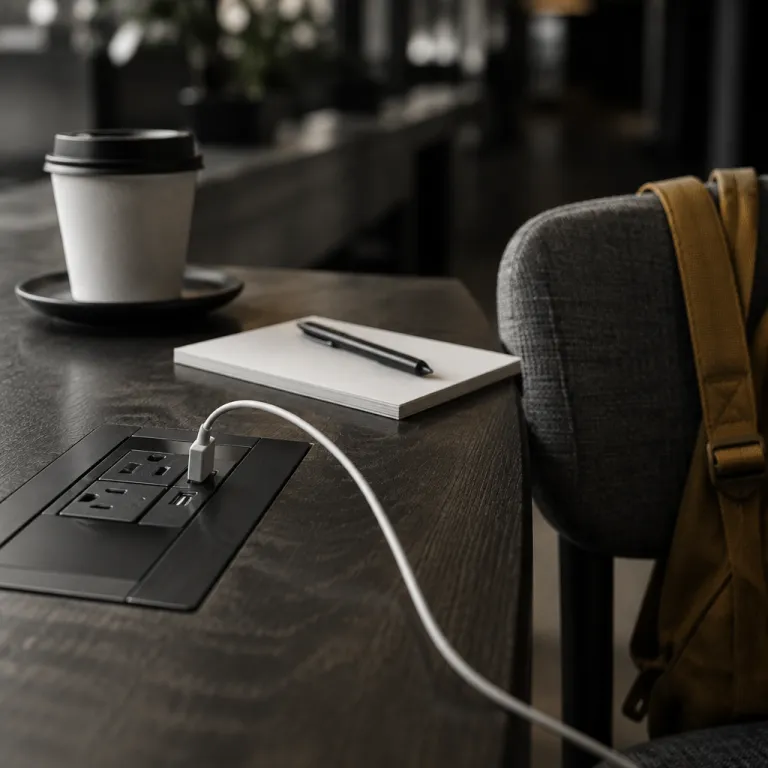
Look at how high end convention hotels now program their public spaces. Instead of a single business room, you will see coworking style zones, semi private booths, and flexible workspace tables that feel like a modern coworking space rather than a forgotten office. These spaces are designed so remote workers can connect with colleagues, adjust to hybrid work schedules, and still enjoy amenities like complimentary coffee or coffee tea service without losing time hunting for a power outlet.
Why the business center died for convention travelers
The death of the traditional business center started when laptops became standard issue for business travelers. Once people could work remotely from any space with high speed Wi Fi, the dedicated room with shared desktops and printers stopped making sense. Convention hotels saw that the business center sat empty while the lobby filled with guests working at every available table.
At the same time, the nature of conference work changed. Delegates needed to jump into hybrid work meetings, edit decks in real time, and connect to offices across time zones from their guest rooms or from quiet corners near the conference floor. A single room labeled “business center” could not handle the surge of working space demand during a 90 minute break when everyone tried to work remotely at once. Hotels began reallocating that space into more flexible workspace layouts, often integrating small meeting rooms and private offices that could be booked by the hour.
For travelers comparing convention hotel work space remote 2026 options, this shift is crucial. You are no longer choosing between a room with a desk and a lobby chair ; you are choosing a property whose spaces, amenities, and speed internet infrastructure support your entire working day. The smartest hotels now treat every square metre as potential workspace, from bar counters with power to quiet phone booths tucked behind the lobby.
Where the work moved: lobbies, lounges, and semi private nooks
Walk into a leading convention property during a major conference and you will see where the work migrated. The lobby becomes an informal coworking space, with long communal desks, individual tables, and soft seating that doubles as working space between sessions. People cluster near natural light, plugging into high speed Wi Fi while they answer messages or adjust slides before the next meeting.
These lobby zones are not accidental anymore. Designers now plan multiple workspace types in one space, from bar height desks for quick laptop work to low sofas for informal business conversations. Many hotels add small phone booths or semi enclosed pods so remote workers can take a video meeting without broadcasting it to the entire lobby. For guests comparing convention hotel work space remote 2026 stays, these lobby coworking spaces often matter more than the size of the main conference ballroom.
Premium properties also extend this coworking space logic into lounges and corridors near the meeting rooms. You might find narrow counters with stools outside the conference hall, effectively turning circulation areas into flexible workspace strips. When everyone rushes out during a break, these extra desks and spaces absorb the working crowd, letting people connect with offices, download files over high speed networks, and still be within walking distance of their next session.
Club lounges and executive floors as quiet working space
For Business Leisure executives, the club lounge often becomes the real office. These lounges usually offer quieter rooms, better natural light, and more reliable speed internet than the main lobby, which fills with conference noise. Tables are spaced for privacy, and staff understand that guests are working, not just relaxing.
When you evaluate a convention hotel work space remote 2026 style property, ask how the club lounge is set up for work. Are there proper desks or only low coffee tables that make laptop work uncomfortable after an hour ? Is there a mix of spaces, including semi private corners that function like private offices for calls and focused tasks ? Some lounges now add dedicated coworking spaces within the lounge, with phone booths and small meeting rooms that can be reserved for a day pass or by the hour.
These club level amenities can justify a higher room rate for travelers who need to work remotely every day of a long conference. Instead of fighting for a seat in the lobby, you gain access to a flexible workspace with complimentary coffee, coffee tea service, and staff who can help you connect devices or print last minute documents. For many remote workers, that quiet, well equipped lounge is the difference between a stressful stay and a productive one.
The video call gap: why phone booths and micro offices matter
One of the biggest pain points for convention travelers is the video call. You step out of a plenary session and need to join a camera on meeting with your équipe back at the main offices. The lobby is too loud, the guest room is a long walk away, and the old business center is either gone or full.
This is where modern convention hotels differentiate themselves. Properties that understand hybrid work now install small phone booths, micro offices, or tiny meeting rooms near the conference floor. These enclosed spaces let people work remotely for thirty minutes, join a confidential call, or connect to a hybrid meeting without background noise. For guests comparing convention hotel work space remote 2026 options, the presence of these phone booths and private offices is as important as the main conference hall.
Look for hotels that treat these micro spaces as part of a flexible workspace network, not as an afterthought. The best designs include high speed Wi Fi, wired connections for extra stability, and desks at proper height with good lighting for video. Some properties offer a day pass for coworking space access, giving remote workers and local guests the same right to use phone booths, working space pods, and shared offices without booking a full meeting room.
How to spot a video call friendly convention hotel
When you research a property, do not stop at the phrase “business center available”. Ask specific questions about where you can take a private video meeting between sessions. Does the hotel offer bookable phone booths, small rooms near the conference area, or guest room upgrades with extra soundproofing and better desks ?
Pay attention to photos of public spaces. You want to see enclosed pods, screens creating semi private spaces, and clear signs of power outlets at every working space. Hotels that invest in these details usually also invest in reliable speed internet, which matters more than any other amenity when you work remotely. For a convention hotel work space remote 2026 style stay, this combination of privacy, connectivity, and flexible workspace is non negotiable.
Some properties now partner with coworking spaces or operate their own branded coworking space within the hotel. In those cases, you may be able to buy a day pass that includes access to private offices, meeting rooms, and phone booths, even if you are not staying overnight. That can be ideal for remote workers who live within walking distance of the convention location but still need a controlled working environment during the event.
Guest rooms that actually work as offices
The guest room desk used to be an afterthought, squeezed between the bed and the window. For modern convention travelers, that room now doubles as a private office, video studio, and quiet working space when public areas are full. Luxury properties have started redesigning rooms with proper desks, better chairs, and lighting that flatters you on camera.
When you evaluate a convention hotel work space remote 2026 style property, look closely at guest room photos. Is there a real desk with enough depth for a laptop, notebook, and coffee tea tray, or just a narrow console table ? Are there power outlets and USB ports at both the desk and the bed, so you can work remotely from different positions without dragging cables across the room ? These details matter more than an extra decorative cushion for people who treat the room as a serious workspace.
Sound control is another key factor. A door that closes firmly, double glazing, and solid walls turn your guest room into a reliable office during peak conference hours. Some hotels now market specific rooms as “work rooms” or “offices plus rooms”, with larger desks, ergonomic chairs, and even small meeting tables. For remote workers juggling hybrid work schedules, these rooms function as private offices where they can connect to their équipe, manage business calls, and still enjoy in room amenities like complimentary coffee or high quality coffee tea setups.
In room connectivity and wellness for long working days
Connectivity inside the room must match the promises made in the lobby. Ask whether the hotel offers high speed Wi Fi in every room, not just in public spaces, and whether there is a clear minimum speed internet guarantee. Some premium convention hotels now publish their bandwidth per room, which helps remote workers plan video meetings and large file transfers.
Wellness features also shape how effectively you can work from your room. Properties that cater to long stay business guests often include indoor bike options in the fitness area, letting you reset between intense working blocks. When you return to your room, good natural light, adjustable blinds, and a comfortable chair make it easier to sustain remote work without fatigue. For a convention hotel work space remote 2026 style stay, this blend of connectivity and wellness is increasingly standard at the top end of the market.
Some hotels go further by integrating flexible workspace elements directly into the room layout. Movable desks, modular seating that converts into a meeting corner, and portable task lamps let you reconfigure the space for different types of work. That way, your guest room can shift from solo working space in the morning to a small meeting room for colleagues in the evening, without feeling like a cramped office.
Handling the convention crunch: when everyone needs to work at once
The real test of a convention hotel is not a quiet Tuesday. It is the 90 minute break between sessions when hundreds of people rush out to work, call their offices, and join hybrid work meetings. Properties that still rely on a single business center or a few lobby desks simply cannot absorb that surge.
Modern convention hotels plan for this crunch with layered workspace strategies. They distribute working space across lobbies, lounges, corridors, and even outdoor terraces with natural light and power. Meeting rooms that sit empty between sessions are sometimes opened as temporary coworking spaces, giving remote workers and on site delegates extra desks and tables. For travelers comparing convention hotel work space remote 2026 options, this ability to flex capacity during peak times is a major differentiator.
Some properties also adjust their amenities and staffing during big conferences. Baristas move faster to keep complimentary coffee and coffee tea lines short, while IT staff roam public spaces to help people connect devices and troubleshoot speed internet issues. Hotels that understand this rhythm feel calmer, even when every seat is taken, because the flow of people, work, and meetings has been anticipated rather than improvised.
Pricing, day passes, and value for Business Leisure guests
For Business Leisure travelers extending a trip, value is not just about the nightly rate. It is about how effectively you can blend conference sessions, remote work, and leisure time without wasting hours searching for a decent workspace. Properties that offer a clear day pass for their coworking space, club lounge, or private offices make this balance easier.
When you compare convention hotel work space remote 2026 style options, look beyond headline prices. Ask whether the hotel charges extra for high speed Wi Fi, whether meeting rooms can be booked by the hour, and whether coworking spaces are included for in house guests. A slightly higher room rate can be justified if it includes access to flexible workspace, phone booths, and complimentary coffee throughout the day, especially for remote workers who would otherwise pay for an external coworking space.
Location also shapes value. A property within walking distance of the convention venue reduces transit time, leaving more hours for focused work or leisure. Some hotels add small touches like indoor bike storage for guests who commute by bicycle, or sustainable amenities that align with modern corporate policies ; for a deeper look at what responsible properties owe their guests, see this analysis of sustainability beyond the towel card. These details may not appear on the booking page, but they shape the overall working and living experience during a long convention stay.
How to choose: a practical checklist for real working stays
Choosing the right convention hotel now means auditing its working infrastructure as carefully as its spa. Start with connectivity : confirm that high speed Wi Fi is available in all rooms and public spaces, and ask whether there is a backup line during large events. For a convention hotel work space remote 2026 style stay, you want a property that treats speed internet as a core utility, not a premium add on.
Next, map the actual spaces where you will work. Does the hotel offer a mix of lobby desks, lounge tables, meeting rooms, and private offices that can be reserved for short periods ? Are there phone booths or quiet pods near the conference area for hybrid work calls ? Properties that partner with established coworking spaces or operate their own coworking space on site often provide clearer answers, and early planners can benefit from insights like those in this guide to where early bookers are already looking for fall conferences.
Finally, consider how the hotel supports you beyond the desk. Look for thoughtful amenities such as complimentary coffee, quality coffee tea service, healthy snacks, and fitness options like an indoor bike or well designed gym to break up long working days. A property within walking distance of both the convention location and interesting neighbourhoods lets you shift smoothly from business to leisure. For Business Leisure travelers, the best convention hotel is the one where you can work remotely all day, connect with people easily, and still feel that your guest room and shared spaces belong to a premium, well run hotel rather than a makeshift office.
Reading the new patterns in convention travel demand
Booking patterns for convention stays have changed as hybrid work and remote work became standard. Travelers now extend trips more often, blending business and leisure, which increases demand for reliable working space over more days. Hotels that understand this shift adjust their inventory of rooms, meeting rooms, and coworking spaces to capture longer stays and higher overall revenue.
For planners and individual guests, this means that prime properties near major convention centers can sell out earlier than expected. To navigate this, it helps to understand the evolving shoulder season dynamics described in this analysis of new convention season pricing. When you book earlier, you gain access not only to better rates but also to the room types and workspace options that suit remote workers best.
As convention hotel work space remote 2026 style expectations spread, more properties will retrofit their spaces, offices, and amenities to attract this Business Leisure segment. The winners will be hotels that think beyond the obsolete business center and design entire buildings around how people actually work, meet, and connect today.
Key figures shaping the new convention work landscape
- According to a report from CBRE, flexible workspace and coworking spaces accounted for roughly 2 percent of global office inventory recently, with forecasts suggesting continued growth as hybrid work normalizes corporate demand for short term offices and meeting rooms.
- Data from the Global Business Travel Association indicates that a majority of corporate travel managers now expect at least some level of remote work and hybrid work to remain permanent, which increases the need for reliable high speed hotel Wi Fi and dedicated working space during trips.
- Surveys by J.D. Power on hotel guest satisfaction consistently show that complimentary high speed internet ranks among the top three most valued amenities for business travelers, often outranking traditional services like room service or concierge assistance.
- Research from STR and Tourism Economics has shown that group and conference demand in major convention cities rebounded strongly, with average daily rate growth outpacing some leisure segments, which encourages hotels to invest in upgraded meeting rooms, coworking space concepts, and flexible workspace infrastructure.
- Studies by workplace design firms such as Gensler highlight that access to natural light and varied workspace types significantly improves productivity and well being, which is why many new convention hotels now prioritize daylight filled lobbies, lounges, and guest room desks for remote workers.
FAQ: working effectively from a convention hotel
How can I tell if a convention hotel is good for remote work ?
Check whether the hotel offers high speed Wi Fi in all rooms and public spaces, not just the lobby. Look for photos or descriptions of multiple workspace types, including desks in guest rooms, lobby tables with power, and small meeting rooms or phone booths. If the property mentions coworking space, private offices, or flexible workspace options, that is usually a strong sign it supports remote workers well.
Is it worth paying extra for club lounge access when I need to work ?
For many Business Leisure travelers, club lounge access is worth the higher room rate. These lounges typically provide quieter working space, better natural light, and more reliable speed internet than busy lobbies. They often include complimentary coffee, coffee tea, and snacks, which can offset some costs while giving you a semi private office style environment throughout the day.
What should I look for in a guest room if I plan to work a lot ?
Focus on the desk, chair, and connectivity. A good working space in the room includes a full size desk, an ergonomic or at least supportive chair, and power outlets at both the desk and the bed. Confirm that the hotel offers strong Wi Fi in every guest room and, if possible, ask for a room with good natural light and a quiet location away from elevators and service areas.
Can I use hotel meeting rooms or coworking spaces without staying overnight ?
Many convention hotels now sell day pass access to their coworking spaces, meeting rooms, or private offices, especially in major business districts. Policies vary by property, so you should contact the hotel directly or check its website for details on day pass rates and what amenities are included. This can be a practical option for remote workers who live nearby or attend a conference without needing a guest room.
How early should I book if I need specific workspace features during a convention ?
It is wise to book as soon as your conference dates are confirmed, especially in cities with strong group demand. Early booking increases your chances of securing room types with better desks, access to club lounges, or proximity to meeting rooms and coworking spaces. It also gives you time to ask detailed questions about workspace amenities and adjust your reservation if the property cannot meet your remote work needs.