The honest carbon math of a three day convention trip
World Tourism Day lands each September just as convention season accelerates again. For anyone chasing sustainable convention travel low impact goals, that timing feels uncomfortably precise, because a three day conference concentrates almost every major source of environmental impact into a tight window. The question is not whether your trip is sustainable or eco perfect, but where your choices genuinely shift the carbon numbers.
Start with flights, because aviation dominates the carbon footprint of most business travel itineraries. A single long haul return can outweigh all the hotel sustainability initiatives, from low flow water fixtures to eco friendly amenities, so any honest view of impact travel must begin with route and frequency. If you can replace two separate trips with one extended stay that folds meetings, tourism and a convention into the same destinations, you reduce both carbon and logistical friction.
On the ground, catering and venue operations sit next in the impact hierarchy for tourism sustainable events. Banquet menus, buffet waste and endless coffee stations shape the environmental impact far more than whether you reuse your water bottle or hang up towels, even though those gestures still matter. When you read hotel marketing about sustainable tourism, ask how much of the story is about food systems, water use and energy, and how much is just a friendly note about linen changes.
Luxury convention hotels now talk fluently about sustainability, but the travel industry still wrestles with greenwashing. A recent industry analysis found that eco certified hotels enjoy a 24.5 percent higher booking share, while 67 percent of travelers report encountering misleading environmental claims, and that gap between claim and verification is where trust erodes. For a traveler focused on sustainable travel and low impact decisions, the goal is to reward properties that can document their impact eco performance rather than simply narrate it.
Think of your trip as a chain of small decisions, each with its own carbon and water implications. Choosing a convention hotel within a short walking trail of the venue trims shuttle emissions and quietly supports local air quality, even if no one adds it to the sustainability report. Booking fewer but longer trips, carrying a reusable water bottle and asking pointed questions about carbon neutral commitments will move more needles than any single symbolic gesture.
Choosing the right convention hotel: proximity as a sustainability decision
For a solo explorer booking a premium convention stay, the map is your first eco tool. A hotel that sits 300 metres from the convention center along a safe, well lit trail will usually beat a cheaper option that requires daily shuttles or ride shares across town. Proximity shrinks your carbon footprint, your time in traffic and your stress level before the keynote.
When you filter properties on a luxury booking platform, look beyond the generic eco friendly icon. Seek audited labels such as LEED, Green Key or EarthCheck, and use guides that explain which hotel sustainability label actually means something for sustainable tourism rather than just marketing. A credible certification will detail energy performance, water management, waste systems and climate action plans, not just ask you to read a card about towels.
Location also shapes how you experience local communities and cultural heritage during a packed agenda. A central property near a river promenade or historic district lets you walk to dinner, support local restaurants and explore tourism destinations without booking extra transfers. That kind of low impact adventure feels more authentic than a resort compound, and it keeps more development benefits in the neighborhood rather than at the edge of town.
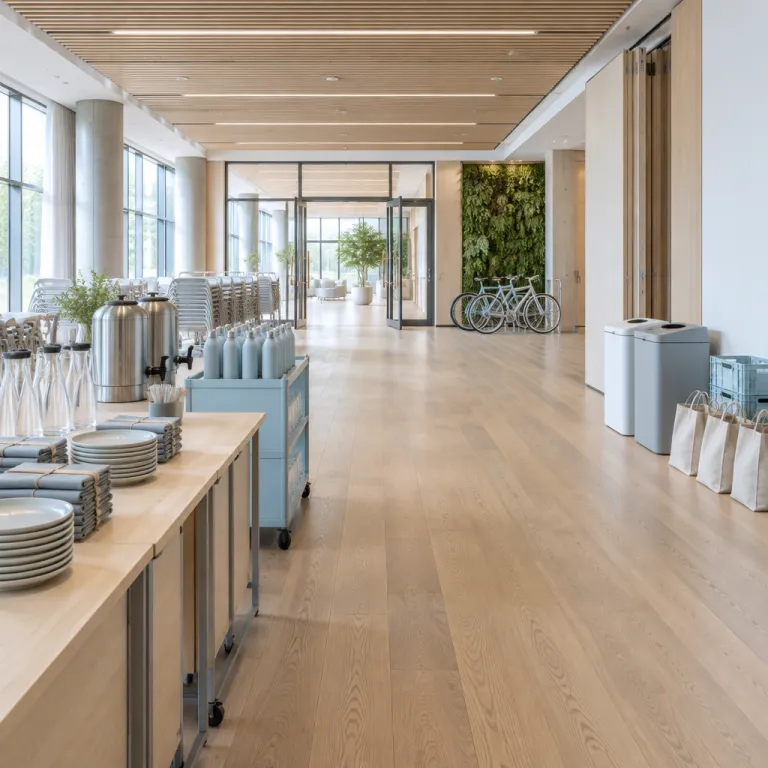
Inside the hotel, ask how sustainability shows up in the spaces you actually use. Does the lobby bar pour filtered tap water into reusable water carafes, or default to single use plastic bottles at every meeting break, and does the conference floor offer clearly marked recycling and composting alongside the coffee station where the keynote speaker is standing alone at 7 a.m. ? These details reveal whether the property treats sustainable travel as a lived practice or a brochure slogan.
For convention travelers who care about tourism sustainable principles, room features still matter, but they are not the whole story. Smart climate control, good insulation and thoughtful lighting reduce both energy use and noise, while refillable amenities and in room guidance on water use keep the environmental impact low without feeling punitive. The most effective hotels make the sustainable choice the default, not an extra chore for guests who already have a full conference schedule.
How to see through greenwashing on World Tourism Day
World Tourism Day invites the travel eco conversation into every inbox, and convention hotels are quick to join. Yet a glossy sustainability page does not guarantee low impact operations, especially when the documentation behind each claim is thin. Greenwashing often hides in the gap between a poetic sentence about the river or the view and the hard data on carbon and water.
As a traveler, you do not need a PhD in sustainable development to ask sharp questions. Before you book, read the hotel website and then send one concise email asking for their latest sustainability report, their verified carbon footprint per occupied room and any third party audits of their environmental impact. If the answers arrive quickly, with clear numbers and references to independent verification, you are likely dealing with a property that treats sustainable tourism as a management discipline rather than a mood.
Some of the most useful guidance on this comes from industry analyses that track both revenue and sustainability performance over time. These reports show that when hotels invest in credible eco programs, guests respond, but they also warn that vague language erodes trust, especially around impact travel claims. To go deeper into this issue, use resources that explain how to tell if your convention hotel actually earned its sustainability badge rather than just printed a green sticker.
On property, your senses are a powerful audit tool during any travel eco stay. Notice whether meeting rooms rely on natural light where possible, whether the air conditioning is set to a reasonable temperature and whether water stations use large dispensers with reusable water glasses instead of endless single use bottles. Look at the breakfast buffet and coffee breaks to see if the hotel has aligned its catering with sustainable travel principles, from plant forward menus to portion control that reduces food waste.
Transparency is the thread that connects all of this for the convention traveler. When a hotel publishes its climate action targets, explains how it supports local communities and shows year on year progress on tourism sustainable metrics, you can align your booking with your values. When the story stops at a single eco logo on the booking page, treat that as an invitation to ask more questions before you commit your conference budget.
Practical low impact moves for the solo convention traveler
A three day conference will never be impact free, but it can be less wasteful. Think of your itinerary as a series of levers you can pull, from flight timing to hotel choice to how you move between sessions and the city. Each decision will not transform tourism, yet together they can nudge the travel industry toward more sustainable norms.
Start with packing, because what you bring shapes both comfort and sustainability. A high quality reusable water bottle lets you skip single use plastics at airports, in meeting rooms and on the river promenade, especially when your hotel provides filtered water stations on every floor. Compact cutlery, a small coffee cup and a light scarf or layer reduce your reliance on disposable items and over air conditioned spaces, which quietly lowers both waste and energy demand.
Once you land, treat proximity as your default strategy for sustainable convention travel low impact goals. Walk or use public transport between your hotel and the venue whenever possible, and choose routes that let you view local neighborhoods rather than just highways, because that is where tourism destinations and daily life intersect. If you must use a car, share rides with colleagues to dilute the carbon cost across more travelers.
Food choices are another powerful lever for impact eco minded guests. Opt for plant forward dishes at conference buffets, support local restaurants that highlight regional produce and ask your hotel how it manages food waste from large events, because catering is a major source of environmental impact at scale. When you have a free evening, skip the generic chain and seek out places that protect cultural heritage through recipes and storytelling, which keeps tourism spending in local communities.
Finally, think about timing and trip design, especially around World Tourism Day when demand patterns shift. Extending a three day conference into a five day stay that folds in nearby leisure destinations can amortize your flight emissions, particularly if you avoid extra weekend trips later in the season and use guidance such as shoulder season convention budget math to plan. Whether you are heading to a dense urban hub or a place like Costa Rica that has built a reputation for sustainable tourism, the same principle applies : fewer trips, longer stays, and a clear eye on what low impact really means in practice.
FAQ
Can a three day convention trip ever be genuinely low impact ?
A three day convention trip will always carry a measurable carbon footprint, especially when flights are involved. The goal is not to erase that impact but to reduce it through smarter choices, such as flying less often, staying longer, booking walkable hotels and supporting venues with verified sustainability programs. When you combine these steps, you can significantly lower emissions compared with a similar trip built around shuttles, short stays and non audited properties.
What should I look for in a sustainable convention hotel ?
Focus on three pillars when you evaluate a convention hotel for sustainability. First, check for credible third party certifications that cover energy, water, waste and climate action, not just linen reuse. Second, prioritize proximity to the venue so you can walk or use public transport, and third, look for transparent reporting on carbon footprint and support for local communities.
Does choosing a nearby hotel really matter for emissions ?
Yes, location has a direct effect on the environmental impact of your stay. A hotel within walking distance of the convention center eliminates daily car or shuttle trips, which reduces both emissions and congestion. Over hundreds or thousands of delegates, that shift can rival many smaller in room sustainability measures.
How can I avoid greenwashing when booking for a conference ?
To avoid greenwashing, look for evidence rather than slogans. Ask hotels for recent sustainability reports, verified data on energy and water use, and details of any independent audits or certifications. Be cautious of properties that rely on vague language about being eco friendly without providing numbers, timelines or clear commitments.
Is it better to combine conferences into one longer trip ?
Combining several meetings or conferences into one longer journey is usually better for sustainable travel than taking multiple short trips. A single flight that supports several purposes spreads the carbon cost over more days and activities, especially if you use trains or public transport between nearby destinations. This approach also gives you more time to engage with local culture in a low impact way instead of rushing in and out.