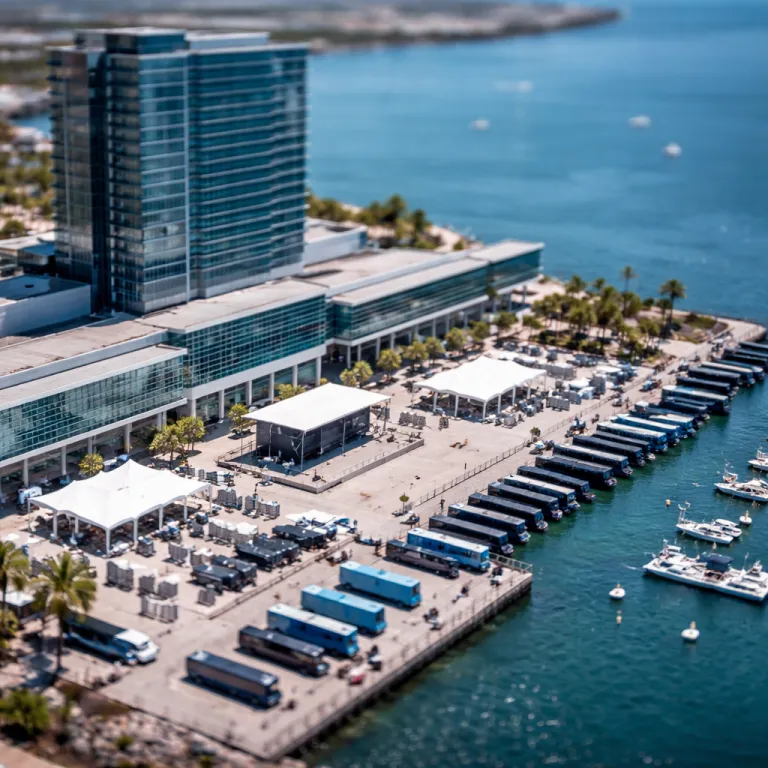
From backdrop to main stage: how hotels now define the convention
The modern convention hotel experience no longer plays a supporting role. Today the right hotel can rival the convention center itself, shaping how attendees remember the event long after the last slide deck closes. For travelers choosing between competing hotels, the decision increasingly comes down to which property turns mandatory meetings into memorable experiences.
Convention hotels were once defined by sheer capacity, with guest rooms stacked above anonymous halls and a rigid program of meetings and events. Now the most effective convention hotel in America treats every square metre of event space as a hospitality asset, from the pre-function corridor to the coffee station where the keynote speaker stands alone at 7 a.m. This shift means that attendees will judge the overall event experience as much by the hotel lobby, the Wi-Fi stability and the late-night bar conversations as by the official convention schedule, a pattern echoed in recent meetings and events sentiment surveys from providers such as Amadeus Hospitality.
For business leisure travelers extending a trip, the hotel experience must work twice as hard. During the day the hotel convention infrastructure needs to handle large-scale events with precision, while evenings should feel like a private city break with thoughtful social events and quiet corners. When you book online through a premium platform, you are no longer just reserving rooms; you are effectively choosing the real venue where the convention’s relationships, deals and informal mentoring will unfold.
The rise of hotels as true convention hosts
Specialist convention hotels now operate less like passive accommodation and more like full-service hosts. In industry terms, convention hotels are the hosts, event planners are the organizers and attendees are the participants, and the best properties understand that triangle intimately. They design guest rooms, meeting rooms and circulation routes so that attendees will naturally cross paths with the right people at the right time.
Signia by Hilton Indianapolis, with roughly 8,360 square metres of meeting space according to Hilton property specifications, is a clear signal of where the market is heading. Its scale allows the hotel to run a parallel program of curated events alongside the official convention, from invite-only breakfasts to evening salons that feel more like private club gatherings than standard hotel events. As one technology conference organizer noted after a recent event there in a published post-event recap, “We barely needed the convention center next door—the hotel felt like a self-contained campus.” This kind of integrated hotel contract, where the property commits to both rooms and experience design, is becoming the benchmark for serious convention hotel experience seekers.
For travelers comparing top destinations for conferences, this evolution matters. A city with competent convention centers but uninspired hotel resorts will struggle to attract repeat events, because the informal networking that defines successful conventions happens in lobbies, elevators and bars. When you evaluate a convention hotel, you are really assessing whether the property can host your community, not just your conference, and whether its public spaces can sustain the networking, mentoring and deal-making that continue long after formal sessions end.
Concierge as strategist: tailoring the convention hotel experience to real agendas
In the best convention hotels, the concierge is no longer just a restaurant booker. A skilled concierge team now acts as a strategic partner, quietly shaping the hotel experience so that every stay aligns with the attendee’s professional and personal goals. For business travelers who value both efficiency and pleasure, this is where a convention hotel experience becomes genuinely premium.
Consider a Marriott property adjacent to a major convention center in Salt Lake City. Before arrival, a Marriott Bonvoy member can share their event schedule online, allowing the concierge to map walking routes, pre-book transfers and even time housekeeping so that guest rooms are serviced between key sessions. During the stay, the concierge can orchestrate micro events in underused space, turning a corner of the lobby into an impromptu meeting zone when attendees will be moving between official events.
For planners negotiating a hotel contract, the smartest move is to involve the concierge early. When the concierge understands the convention program, they can suggest how to use rooms, terraces and transitional areas as informal event space, reducing pressure on the main halls. This is especially valuable in large-scale conventions where block sells of rooms risk turning the hotel into a faceless dormitory unless the concierge curates social events that feel intentional rather than improvised.
Concierge insights that matter for business leisure travelers
Executives extending their travel want more than a late checkout and a spa slot. They expect the concierge to translate the city’s energy into tailored experiences, whether that means securing a quiet table where a deal can close or recommending a running route that starts directly from the hotel entrance. In cities like Las Vegas or Salt Lake City, where convention centers dominate the urban core, this local intelligence is the difference between a forgettable stay and a convention hotel experience that feels genuinely elevated.
Luxury booking platforms now highlight concierge capabilities alongside room categories and loyalty benefits such as Marriott Bonvoy status. On a site like convention stay dot com, a detailed blog review of high-end convention hotels near you will often focus on how the concierge team handles peak arrivals, last-minute meeting requests and complex group logistics. One such guide to exceptional high-end convention hotels near you shows how properties that empower their concierge teams consistently deliver better event experience scores, with reviewers frequently citing concierge responsiveness as a deciding factor when choosing between similar hotels.
For attendees, the practical takeaway is simple. When you evaluate hotels for a major convention, ask specific questions about concierge services, from handling early-morning airport arrivals to arranging off-site social events that respect tight schedules. A concierge who can read a convention badge and instantly understand your day is worth more than any welcome amenity.
Spaces that think: AI, hybrid formats and the new geography of meetings
The physical layout of a convention hotel now matters as much as its brand name. As hybrid formats become standard, hotels are investing in AI-driven spatial design that allows lobbies, corridors and lounges to adapt to crowd flow and time of day. For guests, this means a convention hotel experience where the building itself seems to anticipate when you need quiet focus and when you need a crowd.
In practice, this can look like dynamic signage that redirects attendees when a foyer becomes congested, or lighting and soundscapes that shift as meetings and events move from plenary sessions to evening receptions. Some hotels in America are testing sensor-based systems that learn from previous events, adjusting furniture layouts and service points to reduce queues and encourage serendipitous encounters. The goal is not just operational efficiency but a richer event experience where attendees will feel guided rather than herded.
The hybrid model is now clear: convention centers handle the big keynotes, while hotel spaces host the workshops, breakouts and one-to-one meetings where decisions are actually made. Cities such as Sydney, highlighted in guides to top luxury convention hotels for exceptional events and stays, show how hotels and convention venues can operate as a single ecosystem. For travelers, this means choosing hotels not just for proximity but for how intelligently their rooms and public areas support both formal and informal work.
When hotels compete with convention centers
There is a quiet arms race underway between upgraded convention centers and ambitious hotel resorts. Cities like Columbus are investing in expanded meeting space and integrated transport links, while properties such as Signia by Hilton Indianapolis respond by offering hotel convention facilities that feel like compact, high-touch convention centers. For event planners, this competition can be an advantage, driving better service levels and more flexible pricing.
Yet the most sophisticated travelers know that square metres alone do not define a successful hotel experience. They look for hotels where AI-informed design, strong Wi-Fi and intuitive wayfinding combine to make movement between rooms, lobbies and event space almost frictionless. When a property can host virtual events, support sustainable practices and still deliver warm human service, the convention hotel experience becomes a genuine reason to choose that city over other top destinations.
As one organizer’s FAQ puts it succinctly, “What is a convention hotel? A hotel designed to host large-scale events. What amenities do convention hotels offer? Meeting rooms, exhibition halls, accommodations. How to choose a convention hotel? Consider location, facilities, capacity. Are convention hotels expensive? Prices vary; group rates may be available. Do convention hotels provide catering? Yes, most offer on-site catering services.”
Booking with intent: how to read a convention hotel like an insider
For travelers using a luxury booking website, the challenge is cutting through glossy photos to understand how a hotel will actually perform during a convention. The smartest approach is to read each property as if you were an event planner, even when you are just booking a single room. That means looking beyond the headline number of guest rooms to how those rooms connect with elevators, lobbies and outdoor terraces where informal events and private conversations will unfold.
Start with the basics of the convention hotel experience. Check whether the hotel contract includes clearly defined event space allocations, realistic check-in windows for large arrivals and contingency plans if block sells of rooms outpace the original forecast. A property that can articulate how attendees will move from registration to sessions to social events without bottlenecks is usually a safer bet than a hotel that simply lists square metres and hopes for the best.
Next, interrogate the digital layer of the hotel experience. Strong online pre-arrival communication, mobile check-in and clear “skip content” options in confirmation emails are subtle signs that the hotel respects your time and attention. Platforms such as convention stay dot com, with detailed pieces like this insider review of a five-star convention destination, help decode how different hotels handle the pressure of real events rather than staged photo shoots.
City specific reading: Las Vegas, Salt Lake City and beyond
In Las Vegas, where mega resorts blur the line between hotels and entertainment complexes, the key is to understand internal distances. A hotel may technically be attached to a convention center, yet a ten-minute walk through gaming floors can derail tight meeting schedules and erode the overall event experience. Look for properties where guest rooms, meeting rooms and dining options sit within a compact, clearly signed circuit.
Salt Lake City and the broader Salt Lake region offer a different model, with convention hotels often integrated into walkable downtown grids. Here the advantage lies in easy access to local restaurants, cultural venues and outdoor activities that can double as social events for attendees. When a hotel can coordinate with local partners to host workshops, seminars and exhibitions beyond its walls, the convention hotel experience extends naturally into the city itself.
For any major convention, remember that hotels, event planners and attendees form a single ecosystem. A well-chosen hotel can support knowledge sharing, networking and product launches as effectively as the official venue, especially when it offers flexible rooms, reliable tools such as projectors and microphones, and thoughtful touches like virtual reality booths for exhibitors. In the end, the best convention hotels feel less like temporary shelters and more like finely tuned instruments for collaboration.
Key figures shaping the modern convention hotel experience
- One recent industry gathering expected 5,100 attendees and 225 exhibiting companies, illustrating how convention hotels must handle both large-scale guest flows and complex exhibitor logistics within a tight two-day period (source: published event organizer data for a North American technology conference, 2023).
- Signia by Hilton Indianapolis offers around 8,360 square metres of meeting space, a size that allows the hotel to host plenary sessions, breakouts and social events without relying entirely on an external convention center (source: Hilton official property specifications for Signia by Hilton Indianapolis, accessed via brand materials).
- Amadeus trend reporting shows that attendees increasingly judge a convention by their hotel stay as much as by the official sessions, reinforcing the need for hotels to invest in both guest rooms and public spaces that support networking and hybrid events (source: Amadeus Hospitality meetings and events sentiment report, summarized in industry briefings).