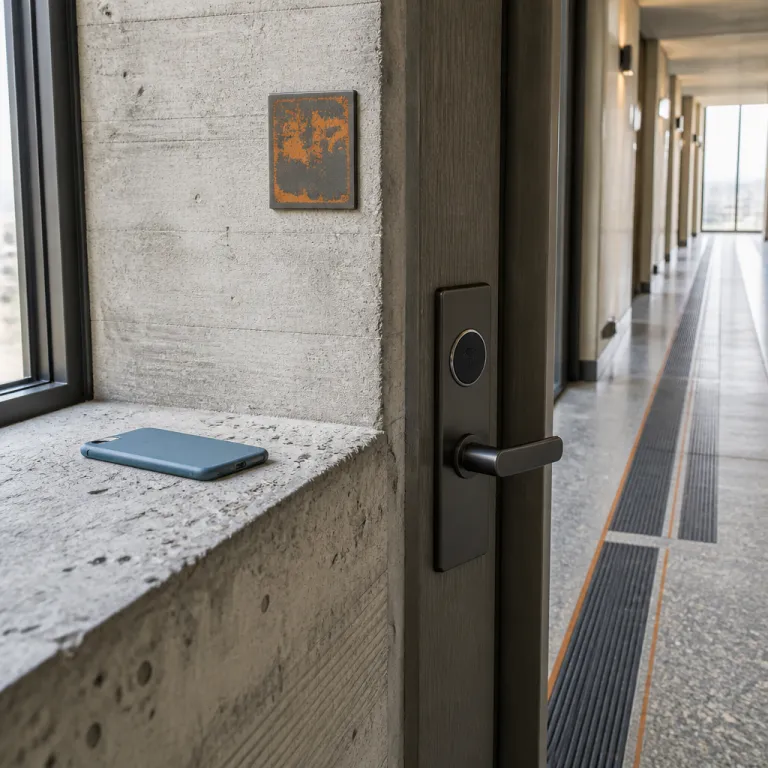
Mobile key convention hotels: what a fully digital stay really feels like
The new arrival ritual: from airport gate to mobile key in hand
Your mobile key convention hotel experience now starts long before you see the lobby. On the ride from the airport, most premium hotel brands prompt you to complete a digital check-in on your phone, turning the usual queue into a quiet, private prelude to the conference. For a solo explorer heading into a major event, that early control over your room and your time feels like a subtle upgrade in guest experience.
Large convention properties and upscale resorts usually send a push notification from their app once your hotel room is ready. You confirm your arrival time, verify your details, and the system assigns a room while hotel operations quietly adjust housekeeping and other workflows in the background. This is where operational efficiency becomes visible to the traveler: you see fewer crowds and more calm even when a conference is unloading three coaches at once.
Industry data backs up this shift. Hilton reported in its 2023 Full Year Results that more than 60% of eligible guests used Digital Key at least once during their stay, and Marriott International has highlighted comparable adoption trends for mobile check-in and keyless entry in its 2023 Annual Report and earnings calls. When the digital guest journey works well, the mobile check-in process is almost invisible. You download the app, accept the mobile key, and your phone becomes both boarding pass and room key for the rest of the trip. For convention hotels in cities like Las Vegas or Mexico City, that seamless digital flow can mean the difference between arriving focused for your first conference session or frazzled from a thirty-minute wait at the front desk.
Walking past the front desk: what skipping the queue really feels like
The first time you walk straight past the front desk at a busy conference hotel, it feels slightly transgressive. Everyone else is lining up to check in while you head directly to the elevator, guided only by your phone and the room number in the app. For frequent guests at brands such as Marriott, Hilton, and other global hotel groups, that quiet bypass has become the new loyalty currency.
From a guest perspective, the mobile key convention hotel experience is about reclaiming time and mental bandwidth. Instead of spelling your name three times over the lobby noise, you are already in your hotel room adjusting the air conditioning and checking the conference agenda. Behind the scenes, hotel operations teams use the same technology to reduce operational costs, smooth guest interactions, and keep arrival data aligned with real check-in patterns.
There is a trade-off though, especially for solo travelers who rely on human contact for quick local intel. Skipping the front desk can mean missing the staff member who quietly warns you which conference coffee station is actually stocked on time. One frequent convention attendee described it this way after a 2024 fintech summit in Las Vegas: “I love walking straight to my room, but I still stop by the desk later to ask which elevator bank is fastest after the keynote.” If Wi-Fi performance matters to your work, it is worth reading a focused guide on convention hotel connectivity before you arrive, because even the best digital check-in cannot fix a weak network.
Inside the room: when your phone becomes the remote control for everything
Once the door clicks open with your mobile key, the in-room technology story really begins. In better designed hotels, the same app that handled your mobile check-in now controls lighting scenes, temperature, and sometimes even the curtains. Your phone effectively becomes a universal remote for the entire guest experience, which is especially useful when you return from a late conference reception and want the room ready in one tap.
Some luxury hotels and large resorts now link the app to AI-driven guest profiles that remember your preferences across properties. If you like a cooler hotel room and blackout blinds, the system will set those automatically before you arrive, improving both comfort and operational efficiency. Major technology providers such as ASSA ABLOY Global Solutions, dormakaba, and Salto Systems publicly document how their digital locks, mobile access platforms, and cloud-based control panels support these features, while hotel groups layer their own apps and loyalty programs on top. This is where the convergence of AI, IoT, and cloud-based hotel operations stops being a buzzword and starts feeling like a tangible upgrade in guest experiences.
For the digital guest, the best mobile key convention hotel experience feels almost anticipatory. You can request extra water, schedule housekeeping, or log a maintenance issue without calling guest services or waiting on hold. One business traveler summed it up after a week-long expo: “I never once called the front desk. I just tapped ‘extra towels’ in the app and they appeared before I got back from the afternoon session.” For a deeper look at how these invisible systems shape your stay, it is worth reading about how AI is changing what guests notice in convention hotels and how those changes affect both guest interactions and revenue management.
When the system fails: dead batteries, Bluetooth drama, and human fallbacks
Of course, no mobile key convention hotel experience is flawless, and the cracks usually appear at the worst possible time. You arrive from Las Vegas Harry Reid International after midnight, your phone battery is at three percent, and Bluetooth refuses to talk to the door lock. In that moment, the promise of a seamless digital journey collides with the reality of tired travelers and fragile technology.
Good hotels plan for this and keep the front desk staffed and visible, even when most guests use mobile check-in. A well-trained guest service team will quickly issue a physical key card, help you charge your phone, and quietly log the failure so hotel operations can investigate the root cause. Poorly prepared hotels, by contrast, leave you hunting for a night manager while the app insists that your key is active and your room is already occupied.
Security concerns often surface here, especially for solo travelers carrying laptops and conference materials. Industry experts are clear on the fundamentals; as one standard explanation puts it, “How does mobile key check-in work? Guests receive a digital key on their smartphone to access their room. Is mobile key check-in secure? Yes, it uses encrypted technology to ensure security. Do all hotels offer mobile key check-in? Not all, but adoption is increasing globally.” For you as a guest, the practical takeaway is simple: always carry a power bank, keep Bluetooth and Wi-Fi updated, and know that a human fallback should be available within a few minutes if the system fails.
Quick tech checklist for convention travelers
- Pack a compact power bank (10,000 mAh is usually enough for a full day).
- Bring a spare charging cable in your carry-on, not just your checked bag.
- Update your hotel app, phone OS, Bluetooth, and Wi-Fi settings before you fly.
- Enable notifications so you do not miss “room ready” alerts or key updates.
- Screenshot your room number and reservation details in case the app logs out.
Choosing the right convention hotel for a truly seamless digital stay
Not every property offering a mobile key convention hotel experience delivers the same quality of execution. Some hotels bolt the technology onto legacy systems, which leads to clunky apps, repeated logins, and operations teams who cannot see real-time data. Others, especially newer hotels in major conference markets, design their guest journey and staff workflows around the app from the ground up.
When you compare hotels for a big conference, read beyond the marketing language. Look for reviews that mention reliable mobile check-in, responsive digital guest messaging, and staff who can resolve issues without sending you back to the front desk. Properties that treat the app as a core part of guest service usually report lower operational costs and higher revenue per available room, because they can allocate staff where human contact adds the most value.
For solo explorers, the right choice often balances autonomy with access. You want the freedom to go straight to your room after a long flight, but you also want a lobby bar where the bartender remembers your name by the second night. A practical packing list that includes a power bank, backup charging cable, and a few analog comforts is outlined in many convention survival kit guides for seasoned travelers, which pairs well with a careful check of each hotel’s approach to in-room technology and mobile key systems.
How mobile keys reshape hotel operations and what it means for you
Behind the polished app interface, the mobile key convention hotel experience is quietly rewriting how hotels run their day-to-day operations. When a majority of guests use their phone to check in, request services, and unlock doors, hotel operations teams gain precise data on arrival patterns, peak elevator times, and real guest interactions. That information allows managers to schedule staff more intelligently, reduce operational costs, and focus human attention where it most elevates guest experiences.
For large conference properties and hotels in Mexico or in dense urban centers, this operational efficiency is not just an internal metric. It directly shapes how quickly your room is ready, how fast maintenance responds, and whether housekeeping knocks during your keynote live stream. Technology providers and major hotel chains report that hotels offering mobile check-in and digital room keys see higher guest satisfaction scores, especially among travelers who value speed and control.
From a revenue perspective, the app becomes a discreet channel for upgrades and late check-out offers that respect your time. You might receive a quiet prompt to move to a higher floor away from the conference party, or a message suggesting a spa slot that fits between sessions, all without a sales pitch at the front desk. For the guest, the most reassuring detail is that every serious brand keeps the phrase “all rights reserved” close to its data policies, because the long-term trust in these digital guest tools depends on transparent handling of your information.
FAQ
How does mobile key check in actually work at a convention hotel ?
Most convention hotels ask you to download an app, complete your check-in details, and then send a secure digital key to your phone once your room is ready. The mobile key uses Bluetooth or NFC to communicate with the door lock, so you simply hold your phone near the reader instead of inserting a card. Your room number and stay details remain in the app, which also lets hotel operations update your access instantly if you change rooms or extend your stay.
Is a mobile key more secure than a traditional key card ?
Digital keys are generally more secure because they use encrypted communication and can be deactivated or reissued in real time without reprogramming a physical card. Unlike a plastic key card that can be copied or picked up by someone else, a mobile key is tied to your personal device and your authenticated profile in the hotel system. For convention travelers carrying sensitive work material, this higher level of control over room access adds an extra layer of reassurance.
What should I do if my phone battery dies before I reach my room ?
If your phone battery fails, go directly to the front desk or a staffed service point and explain that your mobile key is inaccessible. Well-prepared hotels will either issue a temporary physical key card, help you charge your phone, or both, while logging the incident for hotel operations to review. Carrying a small power bank is still wise, especially when your entire guest experience, from boarding pass to room access, depends on a single device.
Do all convention hotels support mobile key access ?
Not every convention property has implemented mobile key systems, although adoption is growing quickly among major brands and newer hotels. Large chains and flagship hotels in key conference cities are usually the first to offer a full mobile key convention hotel experience, including mobile check-in and in-room controls. When booking, check the hotel website or app features list, and read recent reviews to confirm that the technology is active and reliable rather than just promised.
Can I still talk to staff if I use mobile check in and a digital key ?
Using a mobile key does not remove human contact; it simply changes when and how you interact with staff. The best digital-first hotels keep the front desk and lobby teams visible and approachable, focusing their time on meaningful guest interactions instead of paperwork. You can still ask for local recommendations, resolve billing questions, or arrange late check-out in person, while enjoying the speed and privacy of a largely contactless arrival and departure.
Key takeaways for mobile key convention hotel stays
- Use the hotel app before you land to skip lines and go straight to your room.
- Expect your phone to control doors, climate, lighting, and service requests.
- Carry a power bank and backup cable so your digital key is always available.
- Choose properties with strong reviews for mobile check-in reliability and support.
- Remember that great digital journeys still include fast, human fallbacks when needed.