Invisible AI, visible comfort in modern convention hotels
Invisible AI, visible comfort: how convention hotels really use intelligence
Walk into a serious convention hotel and the smartest technology rarely speaks. The most advanced AI-driven guest journey now hides in the background, quietly tuning hotel operations so your badge pick up, room access, and first coffee feel frictionless. For couples traveling for a major event, that silence is the point, because true hospitality technology should feel like operational excellence rather than a software demo.
Across the hospitality industry, roughly sixty percent of hotels now use some form of AI in their tech stack, according to recent surveys from hotel technology providers and consulting firms, yet most guests only notice a chatbot or a slightly faster check in. Behind the scenes, machine learning models are orchestrating operations, from staff scheduling to housekeeping routes, using real time data to raise efficiency and protect revenue without broadcasting every algorithmic decision. When this works well, the intelligent convention hotel experience feels like a well rehearsed performance where every event transition, elevator wait, and room change happens with minimal friction.
Choice Hotels’ partnership with Amazon Web Services is a textbook example of invisible intelligence at scale. AWS case studies describe how their systems use AI across booking flows, franchisee management, and distribution optimization, which means the guest sees a clean website, accurate availability, and competitive pricing rather than the complexity of revenue management models. The smart convention stay here is not about a robot in the lobby, but about hotel operators aligning operations and revenue so that direct booking becomes smoother and less error prone for busy convention couples.
Minor Hotels has taken a complementary path, building a real time guest intelligence platform on Google Cloud that shifts marketing from batch campaigns to intent based personalization. Instead of generic sales marketing blasts, the system reads live data from multiple events, segments guest profiles, and serves offers that match actual behavior, not just loyalty tiers. For a couple attending a three day conference, this can mean late check out aligned with the final keynote, or spa availability pushed to the app exactly when the afternoon sessions end.
Industry reports from major hotel groups and technology vendors suggest that well implemented AI can lift guest satisfaction scores by roughly twenty five percent, but only when hotel technology stays focused on service rather than gimmicks. The most effective hospitality technology solutions treat AI as infrastructure, not entertainment, using digital transformation to refine hotel operations rather than to replace human warmth. In that sense, the future hospitality landscape belongs to properties that let technology leaders work backstage while front line teams keep the guest experience human, intuitive, and quietly luxurious.
What guests actually feel: from pricing engines to room assignments
Most convention travelers will never see the revenue management dashboard that decides their nightly rate. Yet AI now shapes the convention hotel journey long before arrival, as dynamic pricing engines weigh demand from overlapping events, citywide congresses, and even flight patterns to balance occupancy and revenue. For couples planning a romantic stay around a conference, this can mean sharp price swings that feel arbitrary unless the hotel communicates its value clearly.
At properties like The London NYC, where refined convention travel is the core promise, the smartest systems blend pricing logic with guest centric design. Behind an elegant booking interface, hotel revenue management AI tools analyze historical data, competitor sets, and event calendars to keep rates fair while still protecting margins for the hotel. When done well, this supports a premium yet transparent AI-enabled convention stay, where guests feel they are paying for location, service, and reliability rather than for opaque algorithms.
Room assignment is another quiet frontier where hospitality technology is reshaping guest experiences. Some hotel operators now use AI to map convention schedules against room locations, placing early rising speakers on quieter floors and networking focused couples closer to the lobby bar and event spaces. One convention operations manager described it as “moving from luck of the draw to data informed room placement,” which does not appear in marketing copy but can transform guest satisfaction when a late night reception does not echo through your door at midnight.
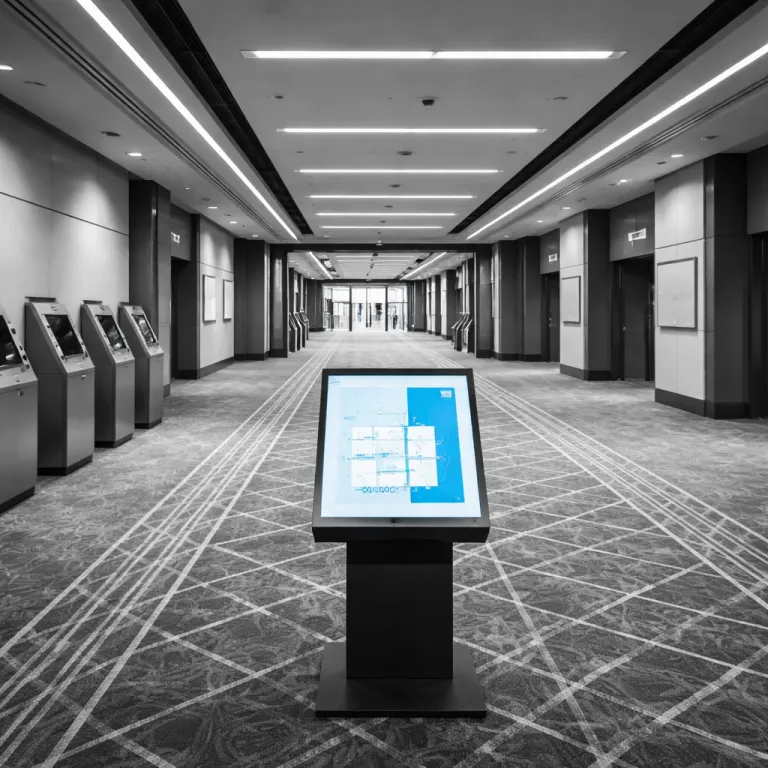
Check in is where visible and invisible AI collide, especially for couples arriving on red eye flights. Automated check in kiosks and mobile keys rely on integrated systems that verify identity, allocate rooms, and sync with hotel operations in real time, reducing queues and freeing staff for higher value conversations. As one industry FAQ puts it without embellishment, “Automated check-in, AI concierges, personalized recommendations.”
Choice Hotels’ AWS powered stack shows how deeply these systems now penetrate the hospitality industry, from central reservations to on property distribution. The guest only sees a stable website, accurate room types, and a confirmation that matches reality, but under the surface, hospitality technology is coordinating multiple systems to avoid overbooking and last minute room shuffles. For the tech assisted convention traveler, this means fewer surprises at the front desk and more energy left for the actual event.
Invisible luxury vs visible gimmicks: where AI genuinely adds value
Not all AI is created equal, and convention couples feel the difference quickly. The most valuable intelligent hotel experience is often the one you never notice, where operations, marketing, and service align so smoothly that you rarely need to ask for anything. Hospitality technology becomes a form of invisible luxury, anticipating needs and smoothing edges rather than shouting about its own intelligence.
Minor Hotels’ real time intent platform is a strong case study in this invisible approach. Instead of blasting generic offers, their systems interpret guest data from multiple events, on property spending, and stay patterns to time suggestions with precision, such as a quiet dinner slot after a long plenary session or a late spa appointment before departure. This is hospitality industry digital transformation at its best, using data to refine guest experiences without turning every interaction into a sales pitch.
There is, however, a growing counter current of visible AI that some guests genuinely appreciate. Couples who return to the same convention circuit often notice when a hotel remembers their pillow preferences, favorite breakfast time, or preferred floor across different hotels within the same group. In these cases, the AI supported convention stay becomes a subtle continuity of care, where hotel operators use shared systems to carry preferences from one city to another.
The risk lies in AI that prioritizes revenue extraction over genuine guest experience improvement. Aggressive upsell algorithms can turn a simple direct booking into a gauntlet of add ons, while poorly tuned sales marketing engines push irrelevant offers during high stress event days. When revenue management dominates the design, operational excellence suffers, and couples feel more like data points than valued guests.
For a sense of how AI can support rather than undermine premium stays, look at properties positioned around presidential level suites and elevated convention travel. At these hotels, technology leaders often focus on operational efficiency that protects privacy, such as discreet security routing, personalized butler schedules, and quiet service corridors that keep events and leisure separate. The AI enhanced convention hotel experience here is about serenity and control, not about flashing screens or constant notifications.
Ethical implementation matters as much as technical sophistication, especially as more hotels adopt AI concierges and automated recommendations. Industry guidance already notes that “Many are open but cautious about ethics and benefits,” which should be a warning to any vice president of digital transformation tempted to over automate. The most trusted hospitality technology solutions will be those that explain clearly how guest data is used, how systems support hotel operations, and where the line is drawn between personalization and surveillance.
How savvy convention couples should interrogate hotel AI
For couples booking a convention stay, the smartest move is not to ask whether a hotel uses AI. The better question is how that intelligent guest journey is designed to improve comfort, privacy, and flexibility rather than just revenue. A few precise questions at the booking stage can reveal whether digital transformation is helping hotels serve you or simply helping them sell more to you.
Start with the basics of data and systems, because this is where hospitality technology either respects or erodes trust. Ask how your preferences are stored, whether they travel across hotels in the same group, and how long the data are kept after your stay, especially if you attend multiple events each year. A confident vice president of operations or front office manager should be able to explain, in plain language, how hotel technology protects your privacy while still enabling personalized guest experiences.
Next, probe how AI supports operational efficiency during high pressure events. Does the hotel use real time occupancy and flow data to adjust housekeeping, elevators, and breakfast service when several events overlap, or are they still guessing based on last season’s patterns? The answer will tell you whether their hospitality technology solutions are genuinely helping hotels manage complexity or simply ticking a marketing box.
Couples who care about sustainability can also ask how AI is used beyond pure revenue management. Some properties now apply intelligent systems to energy use, meeting room allocation, and group transport, which can significantly reduce the footprint of large events without compromising comfort. For a deeper dive into this angle, guides to eco friendly corporate retreats in Mexico show how digital tools can align operational excellence with environmental responsibility.
Finally, look at how AI shapes the direct booking journey on the hotel website. A well designed interface should make it easy to check event rates, understand cancellation policies, and see room categories without being bombarded by irrelevant upsells or confusing bundles. If the AI assisted convention hotel experience starts with clarity, respect, and control at the booking stage, it usually continues that way through check out.
Key figures shaping AI in the convention hotel guest journey
- Approximately sixty percent of hotels worldwide now deploy some form of AI in their operations, according to recent industry reports from hotel technology providers and consulting firms, which means the majority of convention properties already rely on intelligent systems behind the scenes.
- Surveys from major hotel groups and technology vendors indicate that well implemented AI can increase guest satisfaction scores by around twenty five percent, especially when automation focuses on contactless services, faster check in, and more accurate personalized recommendations.
- Common AI features in convention hotels include automated check in, AI concierges, and personalized recommendations, which together reduce front desk queues and free staff to handle complex event related requests.
- Industry FAQs consistently report that many guests are open but cautious about AI in hotels, highlighting the need for transparent communication about how guest data is collected, stored, and used to shape the AI enabled convention hotel guest experience.
- Representative sources for these trends include AWS hospitality case studies on Choice Hotels, Google Cloud documentation on Minor Hotels’ guest intelligence platform, and annual reports from global hotel groups summarizing AI adoption and guest sentiment.