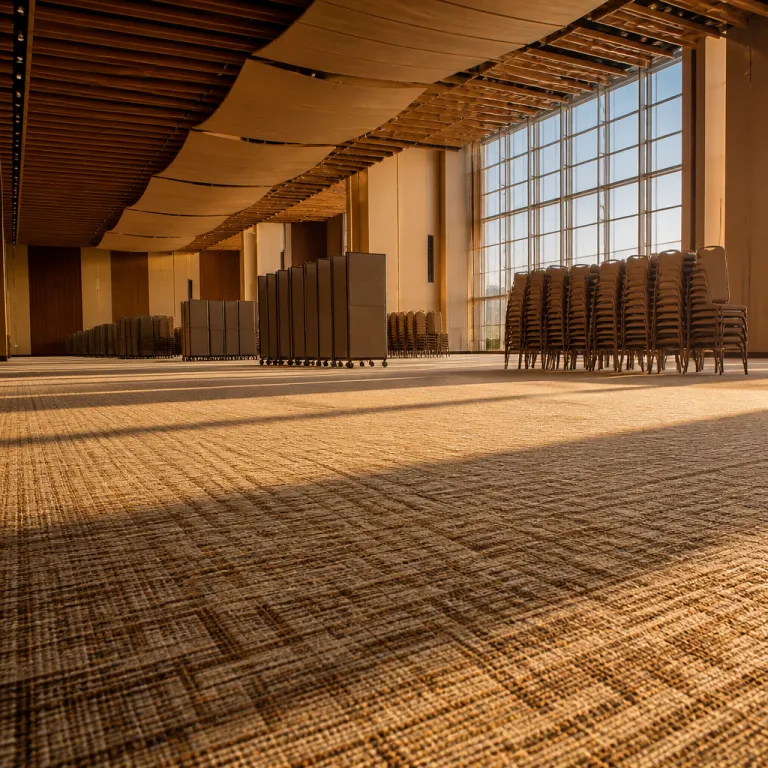
When your convention hotel is the venue, not the backdrop
Walk into a modern convention hotel and the scale quietly resets expectations. A single property with around 90,000 square feet of meeting space changes how you plan your conference, how you move between rooms, and how you experience the city. For travelers comparing hotels, that kind of integrated convention center footprint can matter as much as the thread count in the hotel room.
Signia by Hilton Indianapolis is a textbook example of this new large-scale convention hotel mindset. According to Hilton’s development materials for the project (Signia by Hilton Indianapolis fact sheet, hilton.com), the property is directly connected to the Indiana Convention Center and is planned with approximately 95,000 square feet of internal meeting and event space, including a roughly 50,000 square foot ballroom that functions more like a self-contained conference expo hall than a traditional event room. For an organizer, that means a single room block contract can anchor plenary sessions, breakouts, and evening receptions without ever stepping outside the connected campus of hotels and convention facilities.
For you as an attendee, the difference is immediate from the first morning coffee. Instead of shuttles between distant convention hotels and a separate county convention facility, your elevator ride becomes the commute and the lobby bar becomes the networking hub. When a convention hotel is designed as a venue in its own right, the hotel lobbies, corridors, and pre-function space feel like extensions of the program rather than dead zones between sessions, concentrating both formal content and informal networking into one continuous environment.
How mega meeting spaces are designed differently from old ballrooms
The new generation of convention hotel layouts is not about a single oversized ballroom with beige walls. It is about a layered grid of rooms, suites, and flexible halls that can morph from a 3,000-person plenary to intimate board meetings in a matter of hours. Sofitel Riyadh Hotel & Convention Centre, for example, combines a luxury hotel tower with one of the largest upscale convention venues in the Sofitel network, hosting up to roughly 3,000 guests in spaces that feel more like a contemporary cultural center than a trade hall, according to brand descriptions.
These mega convention hotels use movable walls, retractable seating, and ceiling grids that hide serious audiovisual infrastructure. Organizers can run a hybrid conference program with broadcast-quality streaming from multiple meeting zones, while attendees move between rooms that share a coherent design language rather than a patchwork of renovated areas. This is where brands like Marriott International, Hilton Worldwide, and Hyatt Hotels Corporation are investing heavily, pairing high-speed Wi‑Fi, integrated LED walls, and discreet control rooms with hospitality-level finishes.
For travelers, the design shift shows up in the details you actually touch. Hotel lobbies are no longer just pass-through areas; they are wired as informal meeting space with power at every seat, coffee stations that can scale for a conference expo crowd, and sightlines that let you spot a client from across the room. If you want a deeper dive into how this aesthetic has evolved beyond the beige ballroom, the analysis of convention hotel design moving beyond the beige ballroom is essential reading before you choose your next city and hotel.
The attendee experience when the hotel is the convention center
Staying in a convention hotel that doubles as the main venue changes the rhythm of your day. You can move from your hotel room to a keynote in under five minutes, then be back in your room between sessions to take a confidential call or reset before the evening program. That proximity also reshapes how you use the city around you, because you are no longer losing thirty minutes each way to a shuttle between distant hotels and a standalone convention center.
In Indianapolis, the downtown campus of connected properties illustrates this perfectly. Visit Indy and Indiana Convention Center materials describe a network of more than 5,000 hotel rooms linked to the convention center by enclosed skywalks (visitindy.com and indianaconventioncenter.com), effectively placing multiple brands under one connected roof. A room block at a flagship property such as a Hyatt Regency or a Hilton-branded tower means your badge, your bed, and your meeting space are effectively in the same vertical stack. The Loews Arlington Hotel in Texas, which lists approximately 266,000 square feet of indoor and outdoor meeting and event space on its official fact sheet (loewshotels.com/loews-arlington-hotel), pushes this even further, making the hotel itself feel like a compact county convention complex where the center will always be just an escalator ride away.
For business leisure travelers extending a stay into the weekend, this integration can be a quiet luxury. You can attend a conference expo in the morning, then be out exploring the city by early afternoon without worrying about shuttle schedules or miles of skywalks. Many of these convention hotels now weave in green roofs, terraces, and outdoor breakout areas; if you are curious about how these spaces fold nature into dense urban sites, the feature on green roofs and rainwater systems in convention hotels offers a useful lens for evaluating which properties match your preferences.
Room blocks, rates, and why proximity now drives pricing
When a single convention hotel controls tens of thousands of square feet of meeting space, it also controls a powerful share of the room block strategy. Organizers negotiating room blocks and additional rooms know that attendees will pay a premium to stay in the hotel connected directly to the convention center, especially when the center will host every major session. That is why you often see higher rates at the primary convention hotel, with more flexible pricing at nearby partner properties such as Hampton Inn, Embassy Suites, or Homewood Suites within a few minutes’ walk.
From a traveler’s perspective, this is where you need to think like an event planner. If the main conference expo and plenaries are stacked inside the host hotel, the value of a hotel room in that tower is not just the bed but the time saved between sessions, the ease of dropping a laptop upstairs, and the ability to host impromptu meetings in your own rooms or suites. When the program is split between a convention center and multiple hotels, a slightly longer walk can translate into significantly better rates without sacrificing access to key sessions.
Chains such as Hyatt Regency and major Hilton towers often anchor these integrated campuses, with Hampton Inn or Homewood Suites properties absorbing overflow room blocks at more moderate rates. In cities like Los Angeles, where convention hotels cluster around the downtown convention center, you will see a clear gradient in pricing based on how many meters you are from the main entrance. One major hotel group’s meetings report notes that attendees staying in the primary convention hotel are “more than twice as likely to participate in early-morning and late-evening sessions,” a reminder that booking early, especially for June dates when conference calendars are dense, gives you more control over whether you prioritize proximity, luxury, or budget.
From lobby bars to coffee lines: where mega hotels create real value
The most effective large-scale convention hotel layouts are not only about square meters and ceiling heights. They are about the informal spaces where real business happens, from the lobby bar where a keynote speaker finally relaxes to the coffee queue where you meet a future client. When a hotel’s public areas are designed with this in mind, the property becomes a networking engine rather than just a place to sleep.
Look closely at how hotel lobbies are laid out in major convention hotels in cities like Los Angeles or Indianapolis. The best examples position coffee bars, casual seating, and semi-private nooks along natural circulation paths between meeting zones, so you can peel off for a quick conversation without losing the energy of the conference. This is where luxury design intersects with logistics; a well-placed power outlet or a quiet corner with good sightlines can be more valuable than another chandelier in the main center.
If you want a practical framework for judging these spaces, the analysis known as the lobby bar test is a sharp tool. It argues that the best convention hotels stop thinking like traditional hotels and start thinking like live event platforms, where every room, from suites to standard rooms, supports the flow of people and ideas. When you are choosing between hotels, ask yourself where you would actually want to sit with a client at 22.00 with a coffee or a drink, and whether the design of that space feels intentional or accidental.
Global leaders and what they signal about the future of convention stays
Several flagship properties around the world now act as bellwethers for large convention-focused hotels. Loews Arlington Hotel in the USA, which reports approximately 266,000 square feet of combined indoor and outdoor meeting and event space in its official specifications (loewshotels.com/loews-arlington-hotel), shows how a single property can rival a midsize convention center while still operating as a full-service luxury hotel. Estrel Tower Berlin, paired with the existing Estrel complex, adds more than 520 rooms to an already extensive meeting infrastructure, turning the entire area into a self-contained conference city, according to Estrel’s published development overview.
In the Middle East, Sofitel Riyadh Hotel & Convention Centre demonstrates how a luxury brand can build a convention center that feels like a high-end cultural venue rather than a trade shed. Across the USA, mega convention hotels operated by Marriott International, Hilton Worldwide, and Hyatt Hotels Corporation use integrated hotel and convention center design, advanced audiovisual technology, and flexible meeting spaces to attract large-scale conferences year round. These properties work closely with local tourism boards, event organizers, and corporate clients to create programs that boost local economies through increased tourism and business activity.
For travelers, the practical takeaway is clear. When you see a convention hotel advertising tens of thousands of square feet of meeting space, you are not just booking a room; you are buying into an ecosystem of services, from on-site catering and event planning support to hybrid event capabilities and sustainable building systems. As one industry overview from a major hotel group puts it without exaggeration, “Extensive meeting spaces, luxury accommodations, advanced technology, on-site catering.”
Key figures shaping the era of mega convention hotels
- Loews Arlington Hotel lists approximately 266,000 square feet of combined indoor and outdoor meeting and event space in its official fact sheets (loewshotels.com/loews-arlington-hotel), making it one of the largest single-property convention hotels in the USA and a direct competitor to midsize standalone convention centers.
- Mohegan Sun in Connecticut reports approximately 275,000 square feet of total meeting and event space in its group sales materials, illustrating how integrated resort convention hotels can host large conference expos while supporting leisure travel demand.
- Embassy Suites by Hilton Hampton Convention Center highlights a large inventory of flexible meeting rooms in its meetings overview, showing how some convention properties prioritize a high number of configurable spaces over a single massive hall.
- Signia by Hilton Indianapolis is planned with roughly 95,000 square feet of meeting and event space, including a ballroom of about 50,000 square feet, according to Hilton’s development documentation (Signia by Hilton Indianapolis fact sheet, hilton.com). That scale allows major conferences to run almost entirely inside the hotel while still connecting directly to the Indiana Convention Center.
- Downtown Indianapolis features a connected campus of more than 5,000 rooms under one roof or linked by skywalks, as outlined in Visit Indy and Indiana Convention Center materials (visitindy.com and indianaconventioncenter.com), demonstrating how room blocks can be centralized across multiple hotels without sacrificing walkability.
FAQ: booking and staying in mega convention hotels
What amenities do mega convention hotels usually offer for attendees ?
Mega convention hotels typically combine extensive meeting space with full-service hospitality. You can expect large ballrooms, multiple breakout rooms, high-speed Wi‑Fi, advanced audiovisual systems, on-site catering, and a range of hotel room types from standard rooms to suites. Many also include fitness centers, spa facilities, and several restaurants or coffee bars to handle conference traffic.
How do mega convention hotels benefit local cities and regions ?
These properties attract large conferences that bring thousands of visitors into a city over several days. That influx supports local restaurants, transport services, cultural venues, and retail, while also creating jobs within the hotels and the surrounding area. Over time, a strong convention center and convention hotel cluster can reposition a city as a serious business events destination.
Is it worth paying higher rates to stay in the main convention hotel ?
For many business travelers, the premium is justified by time savings and convenience. Staying in the primary convention hotel connected to the convention center means no shuttles, minimal walking in bad weather, and easy access to informal networking in hotel lobbies and bars. If your schedule is dense or you are hosting clients, that proximity often outweighs the cost difference compared with nearby partner hotels.
How early should I book a room block or individual room for a major conference ?
For large events in peak months such as June, organizers often secure room blocks a year or more in advance. As an individual traveler, booking three to six months ahead usually gives you better access to the main convention hotel and more favorable rates. Last-minute bookings may push you into overflow hotels farther from the convention center, which can add both time and transport costs.
What should I look for in convention hotel meeting space design as an attendee ?
Focus on how the meeting space connects to your room, the lobby, and the wider city. Look for clear wayfinding, natural light in key rooms, plentiful power outlets, and public areas that support informal meetings over coffee. Properties that treat their meeting space as a live event platform rather than just a set of rooms usually deliver a smoother, more productive conference experience.
References
- Marriott International corporate information on convention and meeting hotels.
- Hilton Worldwide development and meetings portfolio data.
- Hyatt Hotels Corporation meetings and events overview.