What biophilic design means in a convention hotel, beyond potted plants
In a genuinely biophilic convention hotel, nature is not a lobby garnish but a structural principle. Architects use biophilic design to shape the built environment so that every interior space maintains a deliberate connection with nature and supports mind body balance for guests who work hard and sleep lightly. When you walk into these properties, you feel a calm that standard designs rarely achieve.
Biophilia describes the innate human tendency to seek connection with nature, and in a convention setting this plays out through daylight, fresh air, and materials that feel natural rather than synthetic. Instead of generic patterns on carpets, you see biomorphic patterns in textiles and wall panels that echo leaves, waves, or stone, which will help your brain register subtle cues of nature space even in a dense urban district. Families and business travelers alike improve well when they can read a journal in a quiet lounge that opens to a terrace garden rather than a sealed corridor.
Biophilic thinking in hotels goes far beyond a few plants near reception, because it integrates nature into circulation routes, meeting rooms, and guest floors. Designers use warm timber, stone, and other tactile materials so that the interior design feels grounded in the local environment, while bright green views from windows reduce stress during long conference days. When you choose hotels or urban resorts that embrace design biophilic principles, you select spaces that support health well outcomes and mental health as much as they support Wi-Fi and ballroom capacity.
Living roofs and rainwater systems as visible architecture, not hidden engineering
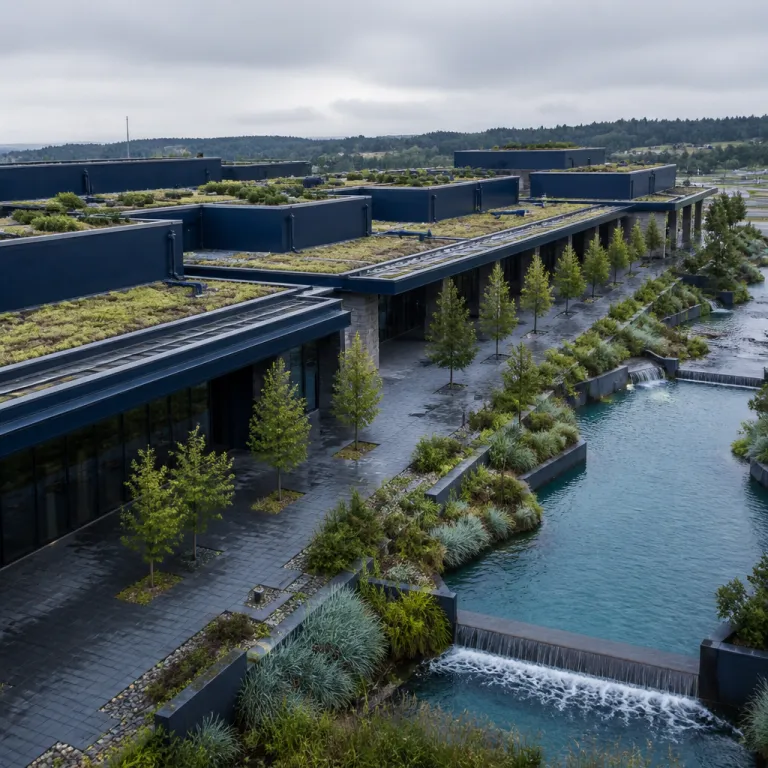
Green roofs are where the biophilic promise of a convention hotel becomes unmistakably real. At large venues such as the Jacob K. Javits Convention Center in New York, the vast planted roof turns hard concrete into a nature space that supports urban biodiversity while insulating the halls below. Music City Center in Nashville and the OnCenter Convention Center in Syracuse follow the same logic, using extensive green roofs to manage stormwater and reduce energy demand.
These living roofs are not just technical features; they are part of the guest experience in forward looking hotels and nearby resorts that share the same city blocks. When a biophilic design convention hotel connects its rooftop garden to public terraces or executive lounges, guests enjoy a direct connection nature moment between sessions, watching pollinators move through sedum and grasses while the skyline rises beyond. Families traveling for conventions quickly understand how such designs reduce stress for children who need a break from exhibition halls.
Rainwater collection systems pair naturally with green roofs, capturing water that would otherwise rush into overburdened urban drains. At OnCenter, for example, the green roof has been documented in local sustainability reports to capture more than 1 500 000 gallons of stormwater per year, a tangible reminder that the built environment can work with nature rather than against it.1 Public data from the Javits Center and Music City Center similarly highlight reduced runoff and lower energy demand, reinforcing that these roofs are performance infrastructure as well as landscape.2 When you evaluate a hotel or convention complex, ask whether its roof is simply a mechanical deck or a bright green landscape that will help improve well being, thermal comfort, and long term health benefits for everyone inside.
For readers interested in how these architectural moves signal deeper hospitality intent, the design details explored in this analysis of memorable convention hotel design details offer a useful parallel; the same attention that creates a hidden bar can also create a meaningful roof garden.
The business case: how green infrastructure pays off for convention hotels
From an owner’s perspective, a biophilic design convention hotel must perform as well on spreadsheets as it does on guest satisfaction surveys. Green roofs and rainwater systems require upfront investment, but they improve thermal comfort, reduce reliance on artificial climate control, and extend roof lifespan, which directly lowers operating costs. Over a decade or two, these designs can reduce stress on mechanical systems and deliver measurable savings that align with sustainability goals.
Energy efficiency is only one part of the equation, because biophilic design also supports health care adjacent benefits such as better sleep, lower stress reduction markers, and improved mental health for frequent travelers. Natural light, operable windows, and biomorphic interior design elements create spaces where guests enjoy working long hours without feeling drained, which will help corporate planners justify premium room rates. When families see children settle more quickly in a room with natural materials and a view of a green roof, they understand intuitively how design biophilic strategies improve well being.
There is also a clear revenue upside when a hotel or convention complex markets its connection nature story with credibility. Meeting planners increasingly seek hotels and hotels resorts that can demonstrate real health benefits and environmental performance rather than surface level décor, and green infrastructure is easy to verify in person. As one sustainability director at a major convention property notes in an internal case study, “Guests trust what they can see on the roof and in the lobby more than any line in a brochure.” For a deeper look at how design thinking has shifted across the sector, the piece on how convention hotel design moved beyond the beige ballroom shows why properties that embrace biophilic design now stand out in competitive urban markets.
How to recognise genuine biophilic design when you book
When you scroll through photos of a supposed biophilic design convention hotel, start by looking at structure rather than styling. A genuine approach weaves biophilic design into circulation routes, meeting rooms, and guest floors, while greenwashing relies on a few potted plants and a moss wall behind reception. Ask yourself whether nature is shaping the space or merely decorating it.
Authentic biophilic hotels use materials that feel honest and local, such as reclaimed wood, bamboo, and recycled metal, instead of plastic panels printed with leaf patterns. You should see biomorphic designs in carpets and textiles that echo rivers, dunes, or foliage, and these patterns will help your mind body system relax even when your schedule is full. Look for interior spaces where daylight reaches deep into corridors, where views frame trees or a bright green roof, and where the connection nature is reinforced by fresh air rather than sealed glass alone.
Water management is another telltale sign, because serious projects integrate rainwater harvesting and visible drainage channels that celebrate, rather than hide, the movement of water. When a hotel explains how its green roof supports stormwater management and urban biodiversity, it signals that the built environment has been considered as an ecosystem, not just a real estate asset. If you want properties that belong to their city rather than to a generic chain template, the guide to convention hotels with soul pairs well with a biophilic checklist for your next booking.
Designing for families: where mind, body, and meetings share the same roof
For premium families, the right biophilic design convention hotel can turn a work trip into a restorative city break. Children handle long days better when they can retreat to terraces, winter gardens, or rooftop paths that offer nature space within a few minutes of the ballroom. Parents notice how these environments reduce stress for everyone, even when the agenda is packed.
Thoughtful interior design in biophilic hotels creates zones where adults can answer emails while children explore safe, bright green courtyards or lobby lounges lined with natural materials. When patterns in rugs and wall panels echo leaves or waves, they subtly support health well outcomes by calming the nervous system, which will help families transition smoothly from plenary sessions to bedtime stories. In rooms, operable windows, layered lighting, and tactile biomorphic details give the mind body system cues that it is time to rest, not just to recharge devices.
Families also respond strongly to visible environmental responsibility, especially when older children are learning about climate and health care issues at school. A hotel that explains how its green roof reduces stormwater runoff, improves energy efficiency, and enhances urban biodiversity offers a live case study in how the built environment can improve well being. As one expert summary from the American Society of Landscape Architects puts it, “They reduce stormwater runoff, improve energy efficiency, and enhance urban biodiversity.”3
When you evaluate hotels or hotels resorts for a family convention stay, ask how biophilic design, rainwater systems, and material choices will help improve well being over several days. Spaces that integrate biophilia, connection nature, and stress reduction strategies do more than reduce stress; they create health benefits that guests enjoy long after checkout. In a sector where every property claims to care about wellness, the ones that build nature into concrete are the ones that truly improve well.
FAQ
How do green roofs in convention hotels manage stormwater ?
Green roofs in a biophilic design convention hotel use layers of soil and vegetation to absorb rainfall before it reaches drains. This slows runoff, reduces pressure on urban sewers, and allows some water to evaporate naturally back into the environment. The result is a built environment that works with nature to reduce flood risk and improve urban health well outcomes.
What are the main health benefits for guests staying in biophilic hotels ?
Guests in biophilic hotels often experience stress reduction, better sleep, and improved mental health thanks to daylight, views of nature, and natural materials. These elements support mind body balance during demanding events, especially for families juggling work and children. Over several nights, such designs can improve well being more effectively than any spa menu.
Are green roofs and rainwater systems cost effective for convention hotels ?
While installation costs are higher than a standard roof, green roofs improve thermal comfort, reduce energy use, and extend roof lifespan, which lowers long term expenses. Rainwater systems can also cut potable water demand for irrigation or cooling, improving ROI over time. For large convention properties, these savings accumulate significantly across thousands of square metres.
How can I tell if a hotel’s sustainability claims are genuine or just marketing ?
Look for structural features such as accessible green roofs, visible rainwater collection, and extensive use of natural materials rather than only decorative plants. Ask for data on stormwater capture, energy savings, or certifications, and see whether staff can explain how biophilic design supports guest health benefits. Genuine projects treat sustainability as part of the architecture, not just a theme in brochures.
Why are families particularly drawn to biophilic convention hotels ?
Families value hotels where children can access safe nature space without leaving the property, especially in dense urban districts. Biophilic design offers calming patterns, fresh air, and outdoor terraces that reduce stress for both adults and children between sessions. These features make a convention trip feel less like a sacrifice and more like a balanced city stay.
1 Stormwater capture figure based on sustainability reporting for the OnCenter Convention Center green roof in Syracuse, New York.
2 Performance data for the Jacob K. Javits Convention Center and Music City Center drawn from publicly available energy and stormwater management reports.
3 Quoted summary adapted from guidance published by the American Society of Landscape Architects on the benefits of green roofs.