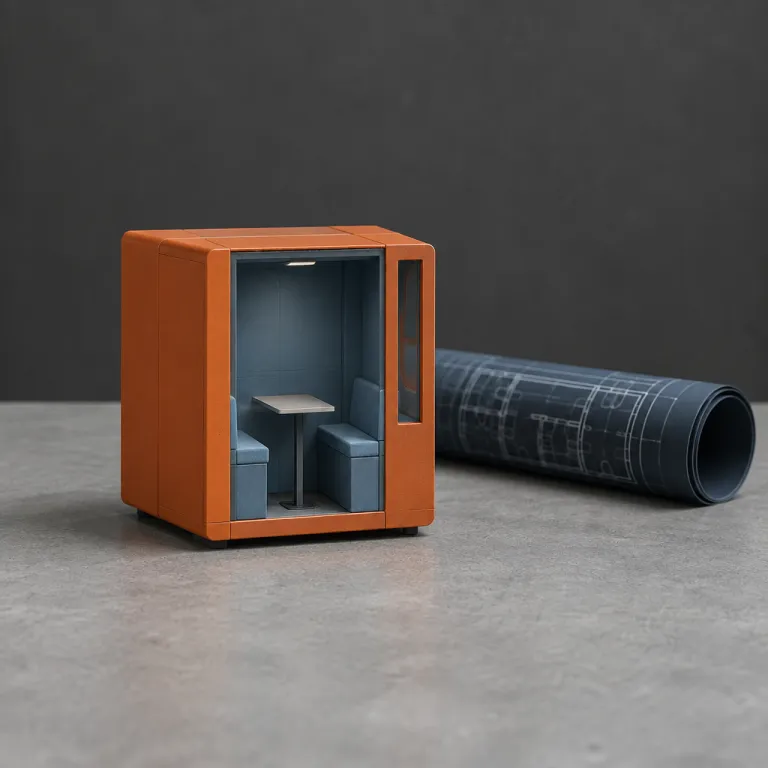
From mega breakouts to micro events: what is really changing
Walk into a modern conference hotel and the shift is immediate. Instead of one cavernous ballroom swallowing thousands of attendees, you see layered spaces where micro events, side conversations and curated meetings events quietly run in parallel. This is the heart of current micro events convention hotel meeting space trends, where intimacy and intentionality now matter as much as capacity.
A micro event is a deliberately small gathering, usually under 80 attendees, designed to create a focused event experience rather than a generic lecture. Luxury venues hotels use these micro events to host peer circles, leadership salons or incentive travel briefings that feel more like private club meetings than anonymous sessions. For business travel guests extending their stay, these smaller events turn a standard hotel night into a sequence of tailored experiences that feel both productive and personal.
Event planners are choosing micro events over mega breakouts because attention is the new scarce currency. In a 1 000 person conference session, networking is mostly luck ; in a 40 person micro event, planners and event teams can choreograph who meets whom and how attendees feel throughout the day. The hospitality industry is responding with new event management strategies that treat every corridor, terrace and lobby bar as potential space for curated events rather than dead transit zones.
For the travel industry, this is not a niche fad but a structural shift in meetings events demand. Corporate planners now ask how a hotel will support multiple overlapping micro events, from wellness circles at sunrise to incentive dinners in semi private spaces at night. When you browse a premium booking website for a conference center or convention hotel, the most telling detail is no longer the ballroom diagram but the floor plan of the smaller spaces you can quietly take over.
How design is evolving: courtyards, rooftops and flexible small rooms
The design consequence of these micro events convention hotel meeting space trends is visible in the blueprints long before you arrive. Where pre function corridors once existed only to funnel attendees into a main event, they are now carved into alcoves, semi enclosed spaces and glass fronted rooms that can host 20 person meetings or pop up networking lounges. Courtyards and rooftops, once underused, have become prime real estate for micro events that blend wellness, food beverage rituals and informal conversations.
Luxury venues hotels are commissioning architects to create dividable space that can flex from one larger event to three or four micro events without feeling improvised. A single 200 square metre room might now feature sliding acoustic panels, integrated event apps displays and lighting scenes that shift from boardroom clarity to cocktail warmth in minutes. For the traveler comparing properties online, these flexible spaces are the real differentiator between a generic conference center and a conference hotel built for modern meetings events.
Outdoor spaces are no longer a nice to have backdrop for group photos. Courtyards, terraces and green roofs are being wired for power, Wi Fi and discreet AV so that event planners can host micro events that feel like relaxed garden parties while still supporting serious business travel agendas. This aligns with a broader sustainability push, where properties investing in green roofs and rainwater systems often also invest in human scale event experience design ; you can see how this plays out in detail in this guide to convention hotels building nature into concrete.
For the attendee, the impact is immediate and physical. Instead of spending an entire conference day in a single sealed ballroom, you move between indoor and outdoor spaces, shifting from structured meetings to more fluid networking events that feel closer to a city’s café culture. These design choices also respect free time, allowing guests to step out of an event, breathe in a courtyard, then re enter a micro event refreshed and more open to meaningful conversations.
What micro events mean for the attendee: intimacy, pressure and better conversations
From the attendee’s perspective, micro events change the social physics of a conference. In a smaller space, you are no longer one of 800 anonymous attendees ; you are part of a visible, finite group where your presence and participation matter. That can be exhilarating for some and quietly stressful for others who once relied on the safety of the back row.
In these micro events convention hotel meeting space trends, the upside is clear ; smaller rooms mean better conversations, faster learning and more targeted networking. Event planners can seat you next to peers facing similar challenges, while event apps handle the logistics of who is in which space and when. The result is a conference experience that feels less like passive content consumption and more like a series of curated experiences designed around how attendees feel at each moment.
There is a trade off. With fewer anonymous seats, skipping a session or hiding behind a laptop becomes harder, especially when industry leaders are only a few metres away. For business travel guests who value autonomy, the best conference hotel is the one that balances structured micro events with generous free time, letting you step out for a run, a spa visit or a quiet hour in the lobby bar. This balance is central to the new bleisure playbook, where executives extend trips and weave in leisure time, as explored in depth in this guide to combining conference days with coastal escapes.
Networking also feels different when the room is small enough that everyone can see who has spoken and who has not. Event teams now coach moderators to manage airtime, invite quieter voices and use live polling tools inside event apps to surface questions without forcing every attendee to grab a microphone. For travelers choosing between venues hotels, the properties that excel are those where staff understand these dynamics and quietly adjust room layouts, food beverage service and timing so that micro events feel inclusive rather than performative.
How to read a convention hotel for micro event readiness
When you scroll through a luxury booking website, you can read micro events convention hotel meeting space trends directly from the property details. Start with the floor plans ; look for dividable space, clusters of 30 to 80 square metre rooms and at least one courtyard or rooftop that can host events without complex logistics. A hotel that only lists one vast ballroom and a handful of generic meeting rooms is signaling an older model of meetings events.
Next, study how the hotel describes its event experience and event management services. Do they mention dedicated event teams for micro events, or only large scale conferences and exhibitions ? Are there references to wellness breaks, incentive travel programs or curated networking experiences that use multiple spaces across the property ? These clues show whether the hospitality industry mindset at that property has shifted from capacity to connection.
Brands like Hilton, Marriott and independent conference center specialists are now highlighting their smaller spaces as aggressively as their main ballrooms. At a well designed conference hotel, you will see images of terrace receptions, library style meetings and intimate food beverage settings that look more like private dining rooms than banquet halls. For travelers comparing venues hotels in major convention cities, it is worth reading beyond the headline capacity numbers and into how the property stages micro events throughout the day.
Location still matters, but in a different way. A property connected to a larger convention center might be perfect for a citywide conference, yet you may prefer a stand alone hotel that excels at micro events if your agenda is built around high value meetings. To understand how these choices play out at scale, look at destinations that dominate the rankings ; this analysis of what Orlando’s convention dominance actually buys you shows how infrastructure, hotel design and attendee experience intersect.
Experience over capacity: coexistence of mega conferences and micro events
Despite the rise of micro events convention hotel meeting space trends, the mega conference is not disappearing. Large scale events still drive room blocks, airline loads and citywide economic impact that the travel industry and hospitality industry cannot ignore. What is changing is how those large events are structured inside venues hotels and surrounding spaces.
A 10 000 badge conference might still open in a main conference center, but the most valuable experiences often happen in satellite micro events hosted at nearby hotels. Industry leaders now expect a mix of plenary sessions, targeted meetings and invitation only incentive events that reward top performers or key partners. For attendees, this means planning your travel with enough free time to move between official events and the smaller, often more meaningful gatherings orbiting the main program.
Event planning teams are using data from trends report analyses to decide which parts of a conference should scale and which should shrink. Keynotes and major announcements still benefit from large audiences, while workshops, wellness sessions and networking circles perform better as micro events. Event planners and event teams then work with hotel staff to align food beverage service, room layouts and technology so that each event space supports the intended experience rather than fighting it.
Technology is the quiet enabler of this coexistence. Modern event apps route attendees between spaces, manage waitlists for popular micro events and push real time updates when a session moves from an indoor room to a rooftop terrace. For travelers booking a conference hotel, the smartest move is to choose properties that understand both worlds ; they can host a polished gala in the ballroom at night while turning the same space into a series of smaller, high touch meetings events by morning.
Wellness, incentive travel and the new metrics of event value
As micro events convention hotel meeting space trends mature, the metrics of success are shifting. Instead of counting only total attendees or room nights, event management teams now track how attendees feel, how many meaningful connections they report and how often they return to the same hotel or destination. This is where wellness, incentive travel and thoughtful planning intersect.
Wellness is no longer a side activity squeezed into the gym before breakfast. Conference hotel properties now program micro events around movement, mindfulness and recovery, from terrace yoga to guided walks between sessions that turn free time into gentle networking. For business travel guests, these wellness experiences make the difference between leaving a conference drained and returning home with energy to spare.
Incentive travel is also being redesigned around smaller, more intentional events. Instead of one massive gala dinner, companies now host a sequence of micro events across different spaces, each tailored to a specific group of high performers or partners. Venues hotels that excel at this style of event planning offer layered experiences ; a chef’s table in a private room, a rooftop reception for regional teams, a courtyard breakfast where industry leaders host informal Q&A sessions.
Across the travel industry, the properties winning repeat business are those that treat every event, from a 20 person strategy session to a 500 person conference, as an opportunity to create a memorable, human scale experience. When you choose your next hotel, look for signs that the team understands this ; flexible spaces, thoughtful food beverage design, strong event apps integration and staff who speak fluently about both large events and micro events. These are the quiet indicators that your conference days will feel less like a schedule and more like a series of well crafted experiences.
FAQ
What is a micro event in a convention hotel context ?
A micro event in a convention hotel is a deliberately small gathering, usually under 80 attendees, designed for focused interaction rather than mass presentation. It often takes place in flexible spaces such as dividable rooms, courtyards or rooftops instead of a main ballroom. These events prioritize conversation, networking and tailored content over scale.
How do micro events change the way I should choose a conference hotel ?
When micro events are part of your agenda, you should look beyond ballroom size and examine the variety and flexibility of smaller spaces. Check whether the hotel offers multiple rooms between 30 and 80 square metres, outdoor areas that can host events and strong event management support for parallel sessions. Properties that highlight intimate food beverage settings and wellness or networking experiences are usually better suited to micro events.
Can large conferences and micro events work together in the same program ?
Large conferences and micro events can complement each other effectively when planned together. Plenary sessions and major announcements can use the main conference center or ballroom, while workshops, networking circles and wellness activities run as micro events in adjacent hotel spaces. This mix allows organizers to reach many attendees while still offering high value, small scale experiences.
What hotel features signal that a property is ready for micro events ?
Key signals include dividable meeting rooms, multiple mid sized spaces, well equipped courtyards or rooftops and strong Wi Fi and AV throughout public areas. Look for references to dedicated event teams, wellness programming, incentive travel experiences and integrated event apps support. Photos of terrace receptions, library style meetings and intimate dining rooms are also good indicators.
How do micro events affect the attendee experience during business travel ?
Micro events make the attendee experience more personal and interactive, with better access to speakers and peers. They can also increase social pressure, since smaller rooms mean fewer anonymous seats and more visible participation. For many business travelers, the trade off is worthwhile because the conversations, networking and learning feel more relevant and memorable.