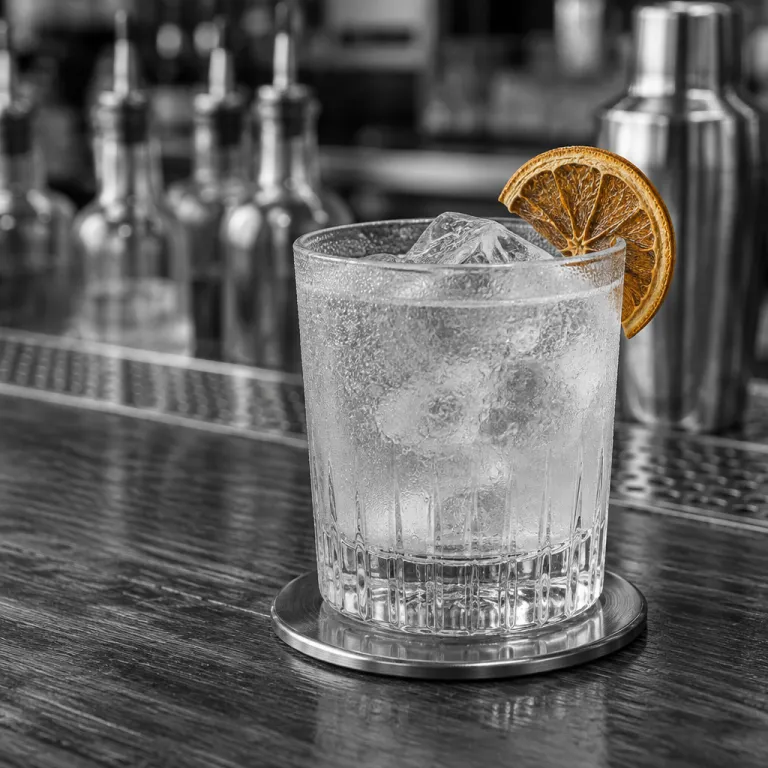
Why convention networking is sobering up at the luxury level
Walk into a leading non alcoholic networking convention hotel today and the lobby bar tells a new story. The traditional pyramid of wine, beer and spirits is still there, yet a parallel universe of alcohol free drinks now competes for attention with equal confidence. For premium family travelers and business guests who want to protect their health and still work the room, this shift finally matches how people actually live.
Convention culture long assumed that alcohol consumption powered every successful event, from the welcome reception to the late night lobby debrief. That assumption sidelined many guests, including international drinkers with different norms, parents saving energy for a 07.00 school FaceTime, and professionals who simply prefer soft drinks or low proof beverages. As wellness moves from spa menu to meeting room, the industry is quietly rewriting what an alcohol event looks like in practice.
Several forces converge now ; sober curious professionals, tighter duty of care standards, and a new generation of marketing manager with years experience in wellness focused events. Hotels across the United States report growing demand for non alcoholic beverage offerings and menus with diverse dietary options, and they are responding with serious category development rather than token gestures. For you as an attendee or planner, that means the choice is no longer between a full strength alcoholic drink or an awkward glass of tap water.
Wellness, performance and the 08.00 session
For many people, the question is no longer whether alcohol is permitted but whether it is compatible with peak performance. A long day of back to back events, dense content and constant networking makes every late night alcoholic beverage feel more expensive the next morning. Families traveling together feel this even more sharply, because a parent who has been drinking heavily is rarely at their best for both clients and children.
Health benefits linked to moderating alcohol consumption are now widely discussed in mainstream media and in every serious study on workplace performance. Attendees who once felt pressured to match colleagues drink for drink now openly ask for alcohol free options that still feel adult and high quality. When a non alcoholic networking convention hotel takes this demand seriously, the result is a bar where a zero proof negroni looks as considered as any classic cocktail.
Wellness also intersects with safety and liability for large scale events alcohol programs. A thoughtful approach reduces the risk of over drinking incidents while still allowing alcoholic drinks for those who want them in moderation. The best managers understand that a sophisticated range of beverages, from crafted soft drinks to low alcohol beer, supports both guest satisfaction and long term brand development.
What a serious sober bar program looks like in a convention hotel
Not every property that claims to be a non alcoholic networking convention hotel delivers more than one mocktail and a bowl of citrus wedges. A serious program starts with a dedicated alcohol free menu that is printed, branded and presented with the same care as the wine list. Guests should be able to order complex, layered drinks that use premium beverages, not just sugary juices.
Look for a bar team whose manager can speak fluently about both alcoholic beverages and zero proof alternatives. When a bartender has years experience in mixology, they understand how to balance bitterness, acidity and texture whether they are working with wine, beer or distilled botanicals. That expertise turns a simple request for soft drinks into a conversation about house made tonics, fermented teas and alcohol free aperitifs that pair well with food.
Placement matters as much as product ; a token mocktail hidden at the bottom of the menu signals that non drinkers are an afterthought. In a genuinely inclusive program, alcohol free cocktails sit alongside alcoholic drinks, with equal prominence and pricing that reflects their high quality ingredients. For practical packing tips that match this wellness forward approach to events, see this detailed convention survival kit for seasoned travelers.
From soft drinks to crafted zero proof pairings
The old model treated non drinkers as children, offering only basic soft drinks and perhaps a sparkling water. A modern non alcoholic networking convention hotel treats the alcohol free category as a serious field for category development, with dedicated suppliers and staff training. You might see alcohol free sparkling tea served in stemware, or a chilled glass of de alcoholized wine poured with the same ceremony as Champagne.
Food and beverage teams now design full pairing menus where every course has both an alcoholic beverage and a zero proof alternative. This approach respects guests who avoid alcoholic beer or spirits for health, religious or personal reasons, while still allowing others to enjoy wine, beer or a classic cocktail. When the food beverage pairing is thoughtful, no one feels like they are missing out, and the table conversation stays focused on the event rather than on who is drinking what.
For planners, this evolution opens new creative directions for receptions and free events that once relied entirely on open bars. A tasting station might feature regional juices, kombuchas and alcohol free bitters, while another offers small pours of local alcoholic drinks for those who choose them. The key is that every guest, from committed drinkers to those who never touch alcohol, feels equally considered and equally welcome.
Inclusion, culture and the politics of the open bar
For many guests, the classic open bar was never neutral ground, especially in large international events. Cultural norms around alcohol vary widely across the United States and even more across global markets, and what feels like casual drinking to one group can feel exclusionary or unsafe to another. A non alcoholic networking convention hotel acknowledges this reality and designs spaces where everyone can participate fully.
Parents traveling with children, observant religious guests and professionals in recovery often avoided late night events alcohol heavy spaces. When every meaningful conversation happens around alcoholic beverages, these people either compromise their boundaries or miss out on career defining moments. Shifting the focus toward inclusive beverages and structured networking formats changes who gets to be in the room when decisions are made.
Dietary needs intersect with drinking culture as well ; hotels are reimagining vegetarian and dietary conscious entrées as part of the event experience, which naturally pairs with more thoughtful drinks. When food options respect allergies, religious rules and wellness goals, it feels inconsistent to push only high proof cocktails at every reception. Inclusive design means aligning food, beverage and programming so that no single habit, such as heavy drinking, dominates the social landscape.
Designing events where non drinkers lead the conversation
In a well run non alcoholic networking convention hotel, the most interesting conversations often happen at the alcohol free bar. People linger over crafted drinks that keep them sharp, and the absence of strong alcoholic drinks subtly shifts the tone from rowdy to focused. Families appreciate that they can bring older children through public spaces without navigating scenes of obvious over drinking.
Event planners now experiment with formats that decenter alcohol without banning it outright. You might see structured conversation prompts, short facilitated sessions or wellness corners integrated into receptions where alcoholic beverages are still available but not the main attraction. This approach respects drinkers while signaling that professional connection, not alcohol, is the core purpose of the gathering.
For attendees who have felt sidelined by traditional alcohol event culture, this change is profound. They can attend late night events, maintain their health goals and still be fully present for the 08.00 keynote without relying on strong coffee to mask a hangover. Over time, these inclusive practices become a quiet but powerful form of professional equity.
How luxury convention hotels are rebuilding bars and menus
Behind the scenes, the shift toward the non alcoholic networking convention hotel is a story of serious investment. Food and beverage directors are rewriting bar specs, retraining staff and renegotiating supplier contracts to include premium alcohol free spirits, de alcoholized wines and sophisticated soft drinks. This is not a seasonal trend but a structural change in how the industry thinks about hospitality.
Many large properties now allocate dedicated storage, glassware and prep space for zero proof programs, treating them as a distinct yet equal category to traditional alcoholic beverages. A thoughtful manager will track sales of alcohol free cocktails alongside classic alcoholic drinks, using data to refine menus and forecast demand. Over time, this allows for precise category development, where the most popular alcohol free options receive the same marketing attention as signature martinis.
Culinary teams are also rethinking how food supports or moderates alcohol consumption during long events. Instead of salty snacks that encourage more drinking, you will see balanced canapés, substantial protein bites and vegetarian options that stabilize energy. This integrated approach recognizes that guests experience the event as a whole system, where food, beverage and schedule all influence health, focus and satisfaction.
From open bar to curated beverage experiences
The classic open bar model treated drinks as an undifferentiated, all you can pour amenity. In contrast, the modern non alcoholic networking convention hotel curates beverage experiences that align with brand values and guest expectations. You might encounter a tasting flight of regional alcohol free spirits alongside a smaller, carefully chosen selection of wine and beer.
Some properties now host timed free events in the lobby, such as early evening zero proof aperitivo hours where alcohol is permitted but not foregrounded. Guests can sample both alcoholic beer and its alcohol free counterpart, guided by staff who explain flavor profiles and health benefits. This educational approach turns casual drinking into a more mindful, less automatic activity.
For planners comparing venues, it is worth asking how many meeting rooms, pre function spaces and lounges can support these new formats. Articles such as this analysis of meeting room configurations at a Scandinavian conference hotel illustrate how layout influences the flow between sessions and social events. The right floor plan makes it easy to host parallel alcohol free and traditional bars without segregating guests.
Rethinking networking when the social lubricant is optional
When a non alcoholic networking convention hotel takes shape, networking itself begins to feel different. Conversations start earlier in the evening, end a little sooner, and often go deeper because people remain fully present. Guests notice that they remember more names, more details and more commitments the next morning.
Without the default of strong alcoholic drinks, planners must design events that are interesting on their own terms. That might mean live demos, short talks, interactive installations or family friendly corners where children can quietly play while adults talk nearby. In this environment, alcohol becomes one option among many rather than the main attraction, which subtly shifts power away from the heaviest drinkers.
Professionals with years experience in both hospitality and corporate events often comment that the most productive conversations happen before the second drink. By normalizing alcohol free choices and offering high quality alternatives, hotels help guests stay in that productive zone longer. Over time, this can change the culture of entire industries that once equated success with closing the bar at midnight.
Practical strategies for attendees and planners
As an attendee, you can quietly shape this shift by asking specific questions before you book a non alcoholic networking convention hotel. Ask whether the property offers a full alcohol free cocktail list, how it labels alcoholic drinks at events, and whether soft drinks beyond standard sodas are available at every reception. Your questions signal demand and help the marketing manager justify continued investment in these programs.
Planners can go further by specifying in contracts that alcohol free options must be displayed as prominently as alcoholic beverages. They can request that at least one signature drink at each event be zero proof, and that staff proactively offer these choices rather than waiting for guests to ask. Over time, such clauses become standard, much like requirements for vegetarian or gluten free food.
For families extending a work trip into leisure, a wellness oriented property makes the transition from conference badge to beach bag smoother. Guides such as this bleisure playbook for convention travelers show how to balance sessions, rest and exploration without relying on nightly heavy drinking. The result is a trip where you return home with both new contacts and intact energy.
How to evaluate a hotel’s alcohol free credentials before you book
Choosing a true non alcoholic networking convention hotel starts long before you step into the lobby. Begin with the website ; does the property highlight wellness, family friendly amenities and detailed food and beverage information, or only boast about rooftop bars and late night events alcohol scenes. A serious commitment to alcohol free options usually appears in both marketing language and banquet menus.
When speaking with sales or a marketing manager, ask concrete questions rather than general ones. Request sample menus that show both alcoholic beverages and alcohol free pairings, and look for multiple options rather than a single token mocktail. Ask whether the hotel has hosted alcohol event formats that center zero proof drinks, such as morning networking over crafted juices or early evening tea tastings.
Reviews from other guests can also reveal how theory translates into practice. Look for comments about the quality of soft drinks, the availability of alcohol free beer and the attentiveness of bar staff to non drinkers. Properties in the United States that consistently earn praise for inclusive beverage programs tend to maintain those standards across different events and seasons.
Key questions for planners and premium families
For planners, one essential question is how the hotel manages liability and safety around alcohol permitted events. Ask whether staff receive training on responsible service, how they monitor alcohol consumption during long receptions, and what food is provided to balance drinking. A thoughtful approach protects both guests and the event’s reputation.
Premium family travelers should ask about where bars are located relative to family areas and meeting rooms. A well designed non alcoholic networking convention hotel allows adults to enjoy a glass of wine or an alcoholic drink without forcing children to pass through crowded, noisy bars. Clarify whether alcohol free options are available through room service and in mini bars, not only in public spaces.
Finally, consider how the hotel talks about health benefits and wellness without moralizing. The best properties present a spectrum of choices, from high quality alcoholic drinks to sophisticated zero proof beverages, and trust guests to decide what fits their own health goals. That respect for autonomy is the quiet hallmark of a truly modern convention hotel.
Key figures shaping the sober shift in convention hotels
- Hotels and venues report growing demand for non alcoholic beverage offerings and menus with diverse dietary options, according to Meeting Professionals International and coverage in Meeting Today ; this demand is particularly strong in corporate and association events.
- Industry surveys in the United States show that younger professionals are more likely to identify as sober curious or to limit alcohol consumption, which directly influences expectations for conference receptions and networking events.
- Research published by public health agencies consistently links reduced alcohol consumption with improved sleep quality and next day cognitive performance, outcomes that matter intensely during multi day conventions with early morning sessions.
- Food and beverage departments at major convention hotels now report that alcohol free cocktails can account for a significant share of bar revenue during large events, encouraging further category development and menu innovation.
- Global wellness economy analyses highlight that wellness focused travel, including trips where guests prioritize health benefits over indulgent drinking, represents a rapidly growing segment of the broader tourism industry.
FAQ about alcohol free networking in convention hotels
How can I tell if a convention hotel takes non alcoholic options seriously ?
Check whether the property publishes detailed bar and banquet menus that feature multiple alcohol free cocktails, de alcoholized wines and premium soft drinks, not just basic sodas. Ask the events team to describe recent receptions where zero proof options were highlighted alongside alcoholic beverages. Serious programs treat alcohol free choices as part of the core offering, not as last minute substitutions.
Will choosing an alcohol free focus limit my networking opportunities ?
In most modern convention settings, staying alcohol free actually broadens your networking because you remain alert, remember details and can attend early sessions. Many events now design formats where meaningful conversations happen in structured spaces, coffee lounges and wellness areas rather than only at late night bars. You can still join colleagues at receptions while ordering sophisticated zero proof drinks that match the occasion.
What should planners request to support non drinking attendees ?
Planners should specify in contracts that every bar and reception must feature clearly labeled alcohol free cocktails, quality soft drinks and de alcoholized beer or wine. They can also request that staff proactively offer these options and that food stations provide substantial, balanced dishes to moderate any alcohol consumption. Including these details in written agreements ensures that non drinkers and moderate drinkers receive equal consideration.
Are alcohol free cocktails as expensive as regular drinks ?
High quality alcohol free cocktails often cost a similar amount to traditional mixed drinks because they use premium ingredients, fresh produce and labor intensive preparation. For guests, the value lies in enjoying a crafted beverage experience without the effects of alcohol. For hotels, these drinks can offer strong margins while supporting wellness focused branding.
How can premium families balance conference schedules with wellness and limited drinking ?
Premium families can choose properties that position themselves as non alcoholic networking convention hotels, with clear commitments to wellness, family friendly spaces and inclusive beverage programs. Planning earlier dinners, prioritizing morning sessions and selecting zero proof drinks at evening events helps maintain energy for both work and family time. Asking specific pre arrival questions about menus, room service and children’s access to quiet spaces ensures the stay supports everyone’s health and comfort.