Why convention hotels are loud by design
Walk into any large convention hotel and the first thing you feel is scale. The soaring lobby, the long corridors and the stacked hotel rooms create a dramatic volume of air that also amplifies every stray sound. For a guest who needs a quiet hotel room before a keynote or investor call, that scale can turn into a constant background of hotel noise.
High occupancy means every room and every corridor is busy, and late night networking keeps voices and rolling luggage moving long after the bar closes. Event load in brings impact noise from flight cases, staging and catering trolleys that often passes directly under guest rooms, while elevator banks near meeting floors send a metallic pulse through walls and ceilings. This is why a true soundproof hotel is rare, and why convention hotel room soundproofing quiet performance matters more than the skyline outside your window.
The architecture itself can be acoustically hostile when hotel acoustics are not considered from the first sketch. Large pre function spaces with hard walls, stone floors and high ceiling baffles bounce sound into adjacent rooms and up through the atrium. When hotel soundproofing is treated as an afterthought, even thick doors and heavy wall panels struggle to control corridor noise that seeps into guest rooms at the worst possible moment.
What really makes a convention room quiet
True quiet in hotel rooms starts with construction, not with a white noise app. The mass and layering of walls, the quality of door seals and the way the ceiling meets the corridor all decide whether you hear the adjacent room or sleep through a 2 a.m. arrival. When you care about convention hotel room soundproofing quiet performance, you are really asking about how seriously the property treated hotel acoustics during design.
Engineers use Sound Transmission Class, or STC, to rate how well a wall or door blocks airborne sound. A higher STC between guest rooms means less conversation and television noise bleeding through the wall, while solid core doors with proper acoustic treatment around the frame reduce corridor noise dramatically. Double or triple glazed window systems, combined with dense wall panels or mlv (mass loaded vinyl) layers, can turn a room facing a busy avenue into a surprisingly quiet hotel room for early calls.
The details matter as much as the big moves in any hotel. A door with good hardware but poor door seals will leak sound like an open vent, and a ceiling with gaps around sprinklers or lights can transmit low frequency rumble from mechanical rooms. When you read a detailed floor plan analysis such as the one in the guide to a meeting focused property like the White Lion, you start to see how room soundproofing, corridor layout and event spaces interact to create either calm guest rooms or a constant hum of hotel noise.
How to request a genuinely quiet room
Most front desk teams understand that some guests value quiet more than a view. When you book a hotel for a convention, note that you prefer a room optimized for noise control rather than proximity to the elevator or lobby bar. Phrase it as a practical request, and you signal that you care about convention hotel room soundproofing quiet conditions for work and rest.
Ask for a high floor, away from elevator doors and ice machines, and not adjacent to the service core where staff trolleys and service doors live. Corner rooms often share fewer walls with other hotel rooms, which reduces the chance of hearing an adjacent room shower or late night call through a thin wall. If the property has a large ballroom or pre function level, request a hotel room stacked above guest rooms rather than above event spaces, because impact noise from music and staging travels easily through floor slabs and ceiling baffles.
You can also ask specific questions about hotel soundproofing without sounding difficult. A simple line such as “I have early video calls and am sensitive to hotel noise, could you place me in one of your quietest guest rooms away from the main corridor ?” is clear and courteous. Properties that care about hotel acoustics and have invested in acoustic panels, wall panels or other acoustic treatment will usually know exactly which rooms perform best and will often note your preference for future stays, especially at convention focused hotels where repeat guests are common.
The video call test and in room acoustic check
For many convention travelers, the real stress test is not sleep, it is the first video call of the day. Background hum from HVAC, corridor noise and distant impact noise can make you sound less professional than your slide deck deserves. The goal is not absolute silence but a level of convention hotel room soundproofing quiet enough that your microphone hears only your voice.
As soon as you enter the room, run a quick acoustic check before you unpack. Close the door firmly, engage any extra door seals or latches, and stand in the middle of the room with the window closed to listen for low frequency rumble from elevators or mechanical spaces. Then move toward the wall shared with the adjacent room and toward the corridor wall, noting whether voices, rolling luggage or the ding of elevator doors are clearly audible through the walls or ceiling.
For video calls, soft finishes are your allies in any hotel room. Draw the curtains over the window to reduce reflections, use the bed or a fabric covered chair behind your laptop to absorb sound, and avoid sitting directly under a noisy ceiling vent. If the room feels live and echoey despite carpet and wood furniture, it may lack effective acoustic panels or sound masking, and you might ask the front desk whether another room with better hotel soundproofing is available before your schedule fills with back to back meetings.
Design cues that a hotel takes sound seriously
Some convention properties quietly excel at hotel acoustics, and you can often spot them before you even reach your floor. Look at the lobby and ground floor ; if you see generous use of fabric, wood, acoustic panels and sculptural ceiling baffles, you are likely in a hotel where acoustic treatment was part of the design brief. When a property invests in these details, convention hotel room soundproofing quiet performance in guest rooms usually benefits as well.
In the corridors, pay attention to how sound behaves as you walk to your room. Thick carpet, upholstered wall panels and solid, well fitted doors that close with a soft thud rather than a sharp crack all signal thoughtful hotel soundproofing and corridor noise control. By contrast, long hard corridors with bare walls, echoing footsteps and rattling doors often mean that hotel noise will travel easily into guest rooms, especially when events spill out of meeting spaces between sessions.
Inside the room, look for double glazed window units, substantial door hardware and visible door seals at the threshold. Materials such as wood wool panels, mlv layers behind the wall, and integrated sound masking systems are usually hidden, but their effects are clear when you close the door and the corridor fades to a hush. For a deeper sense of how some properties align design, guest experience and acoustics, explore guides to convention hotels with a strong sense of place, where the same care given to the lobby bar and public spaces extends to the invisible comfort of a truly quiet room.
Innovative interiors for quieter convention stays
The most forward thinking convention hotels now treat silence as a form of luxury. Instead of relying only on heavy walls and thicker doors, they weave acoustic thinking into every layer of the interior, from the corridor carpet to the headboard wall. This is where convention hotel room soundproofing quiet performance meets design, and where guest rooms start to feel like private studios rather than anonymous boxes.
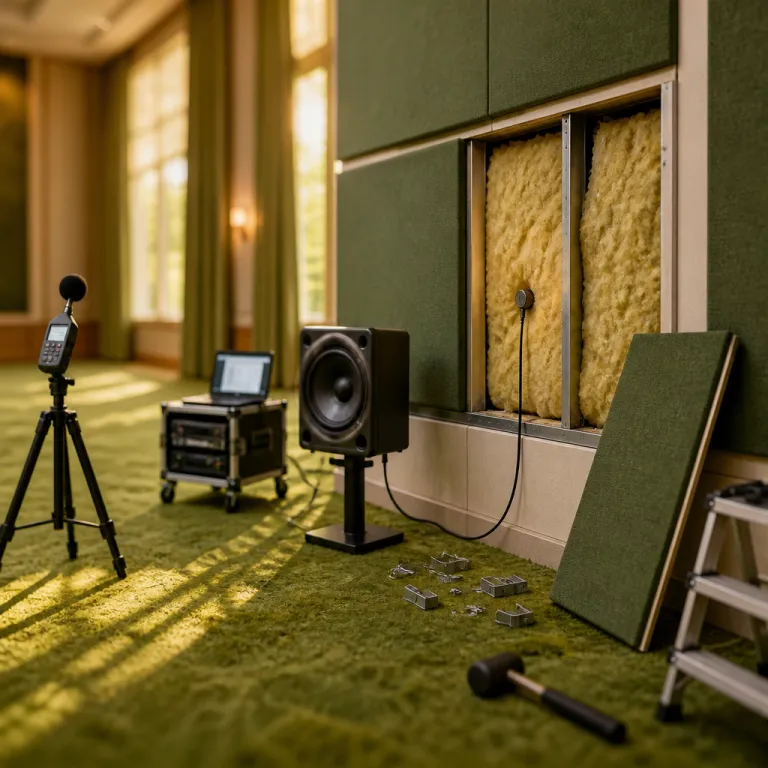
Designers are experimenting with textured wall panels in wood, fabric and wood wool that double as art and acoustic treatment. Behind the scenes, mlv membranes, high STC wall assemblies and carefully detailed junctions between wall, ceiling and door frame reduce both airborne sound and low frequency vibration from distant plant rooms. In some soundproof hotel projects, ceiling baffles and acoustic panels are shaped as sculptural elements above the bed, turning noise control into a visible part of the room’s identity.
Even small moves can transform hotel rooms used by solo business travelers. A padded niche for video calls, lined with fabric and soft wall panels, can offer better noise control than a generic desk against a hard wall. When these ideas extend into corridors and shared spaces, as seen in properties where lobbies have been reimagined as calm, multi use lounges rather than echoing halls, the entire hotel becomes a more restful base between sessions, not just a place to sleep between meetings.
FAQ
How can I tell if a convention hotel room will be quiet before I book ?
Check floor plans and photos for clues such as thick corridor carpet, solid looking doors and double glazed windows, then read reviews that mention hotel noise specifically. Properties that highlight hotel soundproofing, acoustic panels or quiet zones in guest rooms usually perform better for sensitive sleepers. When in doubt, contact the hotel directly and ask for a room away from elevators, service cores and event floors.
What should I request at check in for the best noise control ?
Ask for a high floor, a room away from elevator doors and ice machines, and not above or next to ballrooms or bars. Corner rooms and those sandwiched between other guest rooms rather than meeting spaces often have fewer shared walls and less corridor noise. Mention that you have early calls or light sleep, and staff are more likely to prioritize a room with better soundproofing.
Are there quick fixes if my hotel room is noisy ?
Start by fully closing curtains, checking that the door latches tightly and placing a towel along the threshold to improve door seals. Turning on the room fan or a white noise app can mask intermittent sounds from the corridor or adjacent room. If noise remains intrusive, request a room change, ideally to a different part of the floor plate away from the source.
Does a higher STC rating always mean a quieter stay ?
A higher STC rating for walls and doors usually means better blocking of airborne sound such as voices and television noise. However, low frequency vibration from elevators or mechanical rooms and impact noise from above can still travel through structure even in high STC assemblies. The quietest convention hotel rooms combine strong STC performance with careful placement away from noisy building elements.
Is it worth paying extra for a room marketed as quiet or executive level ?
Upgraded categories sometimes sit on higher floors with fewer rooms and better separation from event spaces, which can reduce hotel noise significantly. Executive levels may also have improved finishes, thicker carpets and more attentive noise control policies. If your trip hinges on rest and reliable video calls, the premium can be worthwhile compared with a standard room near busy corridors.